

Estimated reading time: 5 minutes
Key Takeaways
- Gen Z and Millennials reject careers in oil and gas due to perceived pollution and outdated images, posing a talent crisis.
- To win youth over, the industry needs narrative innovation, focusing on transparency, purpose, and innovation.
- Strategies include sharing real stories, connecting energy to daily life, and celebrating advancements in technology.
- Engaging youth on platforms they frequent, like TikTok and Instagram, enhances trust and relevance.
- Ultimately, the oil and gas sector must reshape its story from a perceived villain to a trusted mentor for a sustainable future.
Introduction: Perception is the New Risk
Among North American youth, oil and gas isn’t just misunderstood—it’s rejected. In survey after survey, Gen Z and Millennials associate the industry with pollution, climate inaction, and outdated careers. Only 6% of Gen Z finds a career in oil and gas appealing, while 66% say the same about renewables. That’s not a minor image problem. It’s a long-term talent and trust crisis.
To stay relevant, the energy sector needs more than operational innovation—it needs narrative innovation. This chapter offers clear strategies for re-engaging youth, reshaping perceptions, and telling a more honest, compelling story about oil and gas in a changing world.
The Challenge: A Generation Turned Off
1. Climate Anxiety and Blame
Today’s young people are deeply worried about the environment. Most see fossil fuels as the primary cause of climate change. When the oil and gas sector stays silent or defensive, it confirms their worst assumptions.
2. A Tired, Outdated Image
Ask a teenager what a job in oil and gas looks like—they’ll likely picture hard hats and dirty work boots. Few imagine innovation labs or carbon tech teams. The sector’s image hasn’t kept up with its capabilities.
3. A Values Disconnect
Young professionals aren’t just looking for a paycheck. They want purpose. They want employers who care about justice, sustainability, and community. An industry perceived as male-dominated and profit-driven feels out of step.
4. Media and Movement Framing
In the story of climate change, oil and gas is the villain. Clean energy is the hero. That simplified framing—amplified by youth-led protests, TikTok, and news cycles—has taken root. The result? A growing sense that oil and gas is something to oppose, not join.
Rewriting the Story: Practical Strategies
It’s time to shift the narrative. Not through greenwashing or slogans—but through truth, relevance, and values-driven storytelling.
1. Start with Transparency
Youth trust honesty. Acknowledge climate impacts. Share real progress—methane reduction, clean tech investments, renewable partnerships. Don’t overpromise. Just be clear about the problems and what you're doing to solve them.
2. Put People at the Centre
Data doesn’t build trust—people do. Let young engineers, students, and interns tell their stories. Why did they join? What projects are they proud of? What change are they driving? Real voices matter more than polished ads.
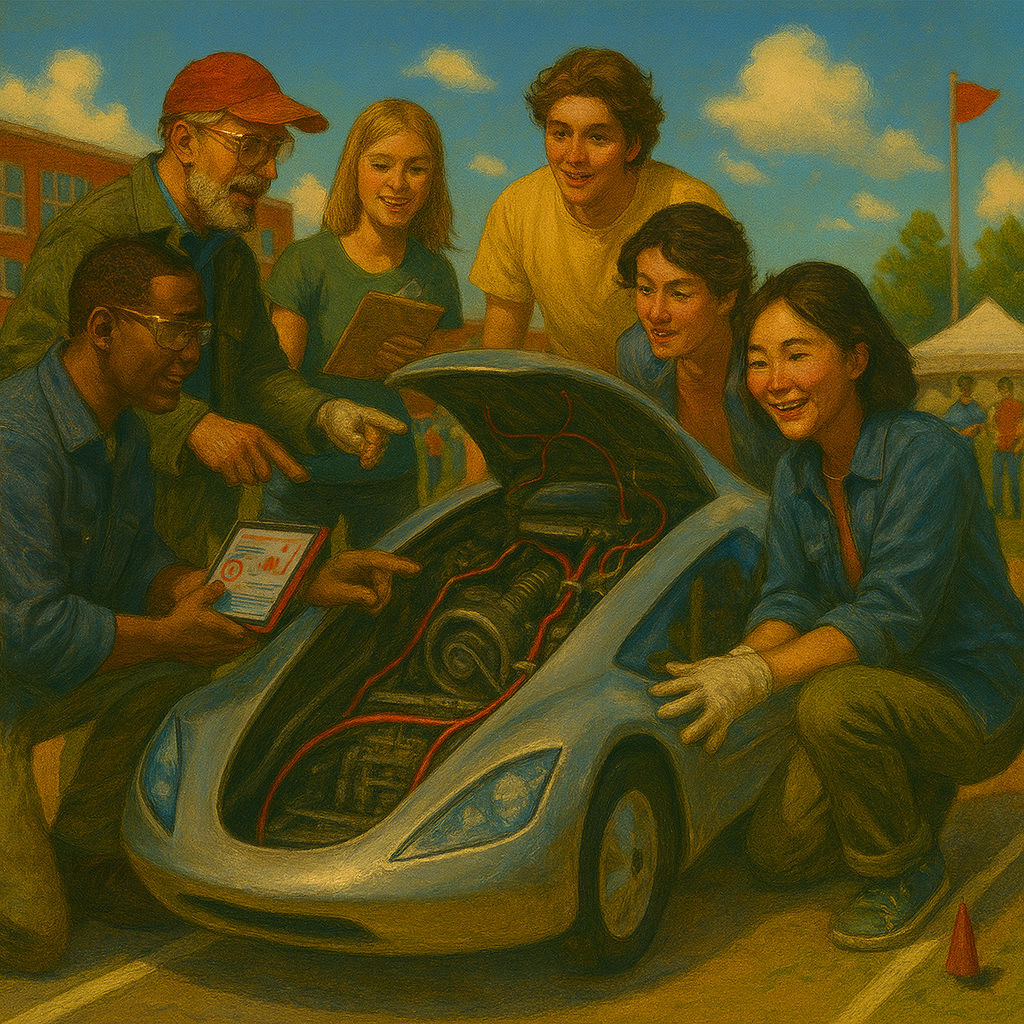
CASE IN POINT: At a recent Shell Eco-Marathon, Canadian high school students designed a fuel-efficient prototype vehicle using petroleum-based materials and hybrid technology. The event, supported by industry mentors, gave teens hands-on experience and showed them oil and gas as a platform for innovation—not just extraction.
3. Make Youth the Hero (and the Industry the Guide)
Don’t try to cast oil and gas as the protagonist. Instead, frame the sector as a mentor or tool that helps young people solve big challenges. Use the StoryBrand formula:
- Hero: A purpose-driven young professional
- Mission: Build a better energy future
- Guide: Oil and gas providing tech, scale, and mentorship
This approach respects youth agency and casts the industry in a supportive, empowering role.
4. Connect Energy to Everyday Life
Show how energy enables youth aspirations—from heating homes to powering devices, transportation, and health care. Use simple, personal stories: “The natural gas that heats your school,” or “the petrochemical components in your phone.” Frame oil and gas as a quiet enabler of their freedom, comfort, and mobility.
5. Celebrate Innovation
Position the industry as future-facing. Share stories about carbon capture breakthroughs, AI for emissions tracking, or next-gen fuels. Frame your engineers as “energy hackers” tackling global challenges. Young minds are drawn to big problems—and big solutions.
6. Be Where They Are
Forget billboards and glossy brochures. Use short-form video, student-led events, Instagram takeovers, TikTok explainers, and podcasts. Create two-way conversations. Show behind-the-scenes work. Let youth ask hard questions—and answer with humility, not spin.
7. Align with Their Broader Values
Young Canadians expect companies to lead on social justice, equity, and community impact. Support real initiatives—STEM programs for underrepresented youth, Indigenous partnerships, local clean water projects—and let communities share the results. Sincerity matters more than branding.
Conclusion: It Starts with a Better Story
The bottom line is this: you can’t force a generation to listen. But you can tell a better story—and invite them into it.
By speaking their language, meeting them where they are, and backing words with visible action, oil and gas can rebuild its relevance. This generation isn’t asking for perfection. They’re asking for purpose, truth, and a chance to contribute.
Let them. Help them. Guide them. And in doing so, rewrite your role—from perceived villain to trusted mentor in a shared quest for a sustainable, energy-rich future.


