TL;DR: How Social Media Marketing Influences Consumer Behavior
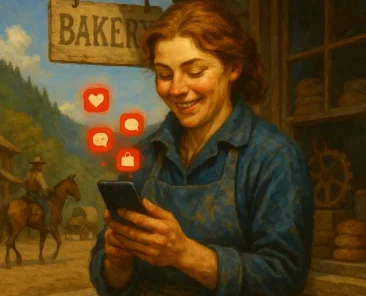
Social media drives brand discovery, shaping what we notice, trust, and eventually buy.
Social proof and FOMO are key triggers in how social media marketing influences consumer behavior.
Influencers boost credibility, making product recommendations feel personal and authentic.
Instant shopping features show how social media marketing influences consumer behavior with frictionless buying.
Understanding buyer psychology helps brands adapt strategies as consumer behavior keeps evolving.
Understanding the Link Between Social Media and Consumer Behavior
What is Social Media Consumer Behavior?
Let’s start with the basics. Social media consumer behavior is all about how people use platforms like Instagram, Facebook, TikTok, and LinkedIn to explore, evaluate, and buy products. From reading reviews to sharing opinions, social media now plays a huge role in shaping what we buy and why we buy it.
People scroll, click, and swipe their way through tons of content each day. Along the way, they discover new brands, watch product demos, and read customer feedback. It’s like window shopping, but online and nonstop. And it doesn’t stop after the purchase—they leave reviews, share unboxings, or even tag your brand in a post.
Why It Matters in Today’s Digital Marketplace
So why should we care about this shift? Because more than half of global internet users research products on social media before buying. That means if your brand isn’t active and engaging on social, you’re missing a major piece of the puzzle.
Social media is no longer just for selfies and memes. It’s a full-blown marketing and sales channel. If you understand how people behave on these platforms, you can better guide them from first glance to final purchase—and keep them coming back.
The Psychology Behind Social Media Influence


Now that we’ve covered what social media consumer behavior is, let’s dive into why it works so well. The secret lies in psychology.
The Role of Connection, Community, and Trust
People crave connection. On social media, they find communities that reflect their interests, values, and identity. When a brand joins those conversations authentically, it earns trust.
Trust is the fuel that powers consumer behavior. When followers feel heard, seen, and valued, they’re more likely to stick with you—and buy from you. Brands that reply to comments, answer DMs, and show behind-the-scenes glimpses build stronger bonds.
The Science of Social Proof and FOMO (Fear of Missing Out)
Here’s where things get even more interesting. Humans are wired to follow the crowd. If everyone’s loving a product, we want to try it too. That’s called social proof. Likes, shares, reviews—they all help build trust and influence decisions.
FOMO kicks in when people see others enjoying something they don’t have. Flash sales, exclusive drops, or influencer shoutouts spark that urgency. Done right, FOMO can nudge a curious scroller into becoming a buyer.
Key Ways Social Media Marketing Influences Consumer Decisions


So what does all this look like in real life? Let’s break down how social media actually moves people to buy.
Product Discovery Through Social Platforms
Many buying journeys start with a simple scroll. Maybe it’s a recipe video, an unboxing, or a “what’s in my bag” reel. Suddenly, a product you didn’t know existed is now something you want.
To win at this stage, your brand needs eye-catching content, engaging captions, and hashtags that help users stumble across you organically.
The Power of Social Proof (Likes, Reviews & Shares)
Once someone discovers your brand, what’s next? They look for signs that other people like you too.
People trust people. When happy customers post reviews, share testimonials, or tag your brand, that becomes free advertising with a personal touch.
Showcasing reviews and user reactions on your feed or stories boosts your credibility. Bonus points for responding with a simple “thanks” or reposting their content.
Influencer Marketing and Authentic Recommendations
Now let’s talk about influence. Influencers aren’t just megastars. Micro- and nano-influencers often have stronger engagement with niche audiences. Their honest reviews and relatable content can tip the scale for undecided buyers.
If someone your audience already follows and trusts endorses your brand, that recommendation hits differently.
Exclusive Deals, Promotions, and Discounts
Ready to seal the deal? People love a good bargain. Sharing limited-time offers, flash sales, or special discount codes on social makes followers feel like insiders.
This not only drives sales but also encourages people to follow your pages so they don’t miss out on the next offer.
Peer Feedback and User-Generated Content
Here’s another powerful tool—user-generated content. When real customers share photos, videos, or stories featuring your product, it speaks volumes. This is user-generated content (UGC), and it’s gold.
Encourage fans to use branded hashtags or run contests to gather more UGC. Then, repost it to show your audience that you value their voice.
Instant Purchases Through Integrated Shopping Features
Finally, let’s talk about convenience. Platforms like Facebook, Instagram, Pinterest, and TikTok now offer seamless shopping experiences. With just a few taps, users can go from seeing a product to buying it—without ever leaving the app.
This frictionless journey turns casual interest into quick conversions.
Behavioral Stages of the Buyer’s Journey on Social Media


Now that we know how social media pushes decisions, let’s map it to the buyer’s journey—step by step.
Awareness – Catching the Eye with Content
This is the first time someone sees your brand. Bright visuals, short videos, helpful posts, or funny memes grab attention. Even if they don’t click now, they’ll remember you.
Consideration – Engagement and Research Phase
Next comes curiosity. They might check your reviews, scroll through your feed, or read comments. Consistent posting, authentic messaging, and quick replies help them move closer to buying.
Decision – Conversion via Influence and Trust
Here’s where trust pays off. Social proof, influencer shoutouts, and clear CTAs make it easy to say yes.
Post-Purchase – Advocacy and Repeat Business
The journey doesn’t end at the sale. Ask for feedback, share user stories, or offer referral bonuses. When customers feel appreciated, they become loyal fans who spread the word.
Industry Use Cases: How Different Sectors Leverage Social Media Influence


So how do different industries make all this work? Let’s take a look.
Fashion & Beauty – Visual Appeal and Influencer Endorsements
Instagram reels, TikTok tutorials, and YouTube hauls rule this space. Fashion and beauty thrive on visuals. Influencers demo how to style a jacket or apply a skincare product, creating trust and inspiration.
Tech & Gadgets – Reviews, Demos, and Community Buzz
Tech buyers want proof. Hands-on demos, review videos, and Reddit threads give them confidence. Community Q&As and comparison posts help seal the deal.
Food & Beverage – Relatable UGC and Visual Storytelling
People love sharing food. Restaurants and brands that repost customer photos, run recipe contests, or partner with foodie influencers win big.
Services & B2B – Thought Leadership and Social Proof
Even B2B buyers are on social media. Sharing case studies, testimonials, and behind-the-scenes culture content can boost credibility and trust.
Common Pitfalls to Avoid in Social Media Marketing


Before we wrap up, let’s go over a few things to avoid. These common missteps can break trust or drive people away.
❌ Ignoring Negative Feedback or Failing to Engage
Silence sends the wrong message. Responding to negative reviews or tough questions shows professionalism and care.
❌ Inauthentic Influencer Partnerships
If an influencer doesn’t truly fit your brand, their shoutout may feel forced. Choose partners who genuinely use or believe in your product.
❌ Overposting Promotions Without Value-Driven Content
No one wants to be sold to all the time. Mix in helpful tips, fun facts, and behind-the-scenes content to keep it fresh.
❌ Not Using Social Listening Tools to Track Behavior
Your audience is talking. Are you listening? Social listening helps you tune into trends, feedback, and unmet needs.
Strategic Tips to Influence Consumer Behavior Effectively


Now that we know what not to do, here are a few key strategies that work—especially if you want to build lasting relationships.
✅ Build Trust Through Transparency and Engagement
Reply to comments, answer questions, and admit when you’ve made a mistake. Honesty builds real connections.
✅ Leverage User-Generated Content (UGC)
Encourage fans to share their experiences. Reposting their content shows appreciation and adds authenticity to your feed.
✅ Use Emotional and Relatable Storytelling
Share stories that make people feel something—joy, surprise, nostalgia. Emotional content sticks and spreads.
✅ Employ Analytics and Listening Tools to Refine Strategy
Track what works and tweak what doesn’t. Use tools like Sprinklr, Hootsuite, or Sprout Social to get the full picture.
✅ Optimize for Mobile and Platform-Specific Behaviors
Design your content with mobile users in mind. What works on TikTok won’t work the same on LinkedIn. Adapt based on the platform’s style and audience.
Conclusion: Adapting to Evolving Consumer Behaviors in the Social Era
Let’s bring it all together. Social media marketing isn’t a “nice to have” anymore—it’s a must. To keep up, brands need to understand how social media shapes decisions and behaviors.
By building trust, encouraging community, and using the right tools, you can turn likes into loyalty and followers into customers.
The digital trail is always changing. Stay alert, stay human, and keep showing up where your audience already hangs out.


Need help choosing your next step? Get in touch with the marketing outfitters at EV Agency. We’ll help you chart the path—and walk it with you.
It influences every step of the buying journey—from discovery to reviews to purchase. Social proof, influencer content, and UGC play a major role in shaping decisions.
Influencers offer relatable, trusted opinions. When they endorse a product, their followers often pay attention and consider buying.
Absolutely. Small brands can build loyal communities by being authentic, engaging, and responsive.
Visual content like videos, tutorials, testimonials, and behind-the-scenes clips are great. UGC and influencer shoutouts also carry weight.
They use tools like Sprout Social, Sprinklr, or native analytics to monitor engagement, sentiment, and trending topics.
It impacts everything from brand awareness to final decision-making. Through consistent content, social proof, influencer posts, and interactive engagement, it nudges consumers toward action.
It has shifted marketing from one-way messaging to two-way interaction. Consumers now expect real-time engagement, transparency, and social presence before making a purchase.
It boosts credibility and relatability. When influencers speak positively about a product, their audience often sees it as a personal recommendation rather than an ad.
Marketing shapes perception and desire. Strategic messaging, visuals, and timing influence how consumers feel about a brand and what actions they take.
Social marketing uses marketing tactics to influence behaviors for social good—like promoting recycling, health, or safety—rather than just selling products.
It keeps consumers connected, involved, and talking. Polls, comments, stories, and live chats turn passive followers into active participants.
It amplifies brand voice and values. Consumers form opinions based on what a brand posts, how it responds, and the community it builds online.
It shapes everything—from content type to platform choice. Brands must adapt based on how consumers react, engage, and evolve online.
Keep Growing • More Dispatches from Basecamp
Identify and segment your energy-sector buyers to sharpen your message, focus your budget, and win more of the right business with clarity.
Use StoryBrand email frameworks to build trust, nurture energy buyers, and guide prospects from initial interest to confident action.
Create simple lead magnets that build trust, capture quality leads, and start better sales conversations in Canada’s energy sector.
Create a powerful one-liner that clarifies your value, builds trust, and strengthens every marketing and sales channel in the energy sector.
Use StoryBrand BrandScript to clarify complex energy messaging, build trust with stakeholders, and win more work in Canada’s energy sector.
Use the Marketing Made Simple method to clarify your message, build trust and turn complex energy offerings into marketing that works today.
Build a buyer journey map that clarifies needs, aligns your message, and strengthens trust across every stage of the energy buying process.
Map the energy buyer journey to support real decisions with clear content, reduce friction, and guide prospects from curiosity to commitment.
Learn how to build a clear marketing funnel for energy sector buyers, from awareness to loyalty, using content, LinkedIn, email, and sales alignment to earn trust and win work.
Learn the core digital marketing tools energy companies need today, from SEO and content to social media, email, and PPC, to win bids, build trust, and grow.