TL;DR: Mastering Social Media advertising for Business Growth
Social media marketing builds trust and community through organic content; advertising delivers speed and precision for targeted results.
Combining organic posts with paid ads deepens customer relationships while expanding your reach.
Platforms like Facebook, Instagram, LinkedIn, and TikTok help brands connect, engage, and convert at every stage of the buyer’s journey.
Success comes from strategy: define goals, know your audience, post consistently, and track key metrics like engagement, CTR, and ROI.
With the right tools, content mix, and data-driven approach, social media becomes a powerful, cost-effective growth engine for any business
Social media marketing and advertising have become must-have tools for any business that wants to grow. They give you a powerful way to connect with your audience, stay visible, and reach the right people at the right time.
Think of it like this: organic content builds trust and sparks conversations, while paid ads help you move fast and focus your message where it counts. When you combine both, you create a system that not only boosts awareness but also drives real results like leads, sales, and loyal customers.
In this guide, we’ll walk you through how to build that system—one that helps your brand show up with purpose and grow with confidence.
What Is Social Media Marketing and Advertising?

Social media marketing and advertising work together to help your business grow through connection, clarity, and visibility.
Organic content builds trust and community, while paid ads bring speed and focus. Together, this gives you the tools to reach the right people and guide them toward action.
THE DEFINITION AND SCOPE
Think of social media like a campsite. Your organic content like posts, stories, and community engagement, is the campfire. It draws people in, creates warmth, and encourages conversation.
Your paid advertising is like a headlamp. It shines light exactly where you need it. This helps guide specific people to your goal, whether it’s a click, sale, or sign-up.
SOCIAL MEDIA MARKETING VS SOCIAL MEDIA ADVERTISING
Social media marketing and advertising aim for different goals. Still, they complement each other.
Marketing on social media is about the long haul. It’s about building relationships. You need to create content that educates or entertains. Also, establish a voice that your audience can recognize and trust. It’s your personality, your message, and your mission on display. Done right, it fosters community, trust, and a sense of belonging.
Advertising, on the other hand, gives you speed and precision. It’s about putting your message in front of the right people, fast. Paid campaigns let you promote offers, drive traffic to a landing page, or raise awareness for time-sensitive initiatives.
You can target a specific audience by focusing on different types of:
- demographics
- interests
- behaviors
- lookalike data
This enables focused outreach. It’s especially useful for new product launches or boosting your funnel.
The real power lies in combining the two. Organic marketing builds familiarity and trust. Paid ads accelerate reach and conversions. When they work in harmony, you not only expand your audience, but you also deepen the relationship with them. It’s like setting up camp in the wild while using a helicopter to scout ahead.
WHY ADVERTISING MATTERS FOR BUSINESS GROWTH
Social media is now essential for businesses. It shapes how today’s consumers make choices.
People use social media to check out brands, compare products, and read reviews. They do this even before visiting your website or entering your store. If you’re not part of that digital journey, you’re invisible.
THE POWER OF SOCIAL MEDIA FOR YOUR BRAND
Social media lets both small shops and large B2B (business to business) providers connect directly with their ideal audience. These platforms allow you to show your brand’s values, personality, and expertise. It all feels human and friendly. Instead of being sold to, people want to connect with brands that:
- Understand their problems
- Speak their language
- Provide value
Benefits of Social Media Marketing and Advertising

ChatGPT said:
Social media marketing and advertising give you more than just exposure. They give you precision, insight, and real connection.
With the right strategy, you can reach the people who actually want what you offer, build trust over time, and turn clicks into lasting customer relationships.
REACH YOUR IDEAL AUDIENCE FASTER
One of the most powerful advantages of social media marketing and advertising is precision targeting. Instead of casting a wide net and hoping for the best, you can zero in on exactly who you want to reach.
Platforms like Facebook, Instagram, and LinkedIn let you target users based on things such as:
- age
- gender
- job title
- location
- interests
- other specific behaviors (like website visits or app downloads)
As a result, you are no longer spending money hoping the right person stumbles across your message. You are showing up directly in the feed of someone who is already interested in what you offer. It is like switching from yelling into the wind to having a direct conversation around a campfire with the right folks.
This level of targeting helps businesses connect with people quickly and efficiently. It also delivers content that feels custom-made for them.
BUILD BRAND AWARENESS AND ENGAGEMENT
In today’s digital world, being known is not enough. You want to be remembered, talked about, and trusted. Social media gives your brand a voice and a personality.
Every post, story, or comment is a chance to show:
- Who you are
- What you care about
- How you serve your customers
When people engage with your content by liking, commenting, or sharing, it creates a ripple effect. This action brings even more visibility.
ENGAGE AND BUILD TRUST
Unlike traditional ads that disappear after a few seconds, engaging content sticks in people’s minds. Over time, that familiarity turns into trust.
Trust is the foundation of any customer relationship. When your audience sees your brand show up consistently with useful, entertaining, or inspiring content, they are more likely to:
Remember you when it is time to buy
Recommend you to friends
Defend your brand in the comments section
Showing up consistently on these platforms builds trust over time. Engaging with your audience earns loyalty. When you combine this with smart paid advertising, you unlock growth potential that you can measure in:
- Leads
- Sales
- Revenue
It is not just marketing. It is relationship-building at scale.
SAVE ON MARKETING COSTS
Let’s face it. Traditional advertising is expensive. TV spots, billboards, and print ads all come with big price tags and limited flexibility. Social media marketing offers a much more affordable and scalable alternative.
You can start small, test ideas, and scale up what works without committing to huge upfront costs. Even a modest budget can go a long way when combined with smart strategy and good creative.
Plus, organic content does not cost a thing beyond your time and creativity. A well-timed, well-written post can drive thousands of impressions.
Pair that with some ad spending to improve visibility, and you have a budget-friendly way to compete. Even with larger brands. That is why social media is such a game-changer for small and medium-sized businesses. It levels the playing field.
DRIVE REAL BUSINESS RESULTS
It is easy to get caught up in follower counts and vanity metrics, but the real goal of social media marketing and advertising is to drive action. That might mean getting someone to:
- visit your website
- sign up for a free consultation
- download a guide
- or make a purchase
The good news is that social media can deliver on all those fronts.
With features like call-to-action buttons, shop integrations, and direct messaging, platforms are becoming more commerce-ready than ever before.
Instagram: lets users buy without leaving the app.
Facebook: supports full e-commerce stores.
LinkedIn: helps B2B brands generate warm leads through thought leadership and direct outreach.
These are not just digital billboards. They are sales engines.
ACCESS AND USE CUSTOMER DATA
The best part is that you can track everything. You will know how many people saw your ad, clicked through, and converted. That data helps you double down on what is working and cut what is not.
Over time, this leads to better campaigns, stronger results, and higher ROI.
You can find out what topics spark the most talk, which visuals grab attention, and what tone works best. Because of this, you get a clear view of your ideal customer. You see their habits, preferences, and pain points.
That knowledge allows you to fine-tune your messaging, improve your products, and offer better service.
Social Media Marketing and Advertising Strategy

Building a strong social media presence starts with a clear plan and measurable goals. When you know who you’re trying to reach and what success looks like, you can post with purpose, blend organic and paid content effectively, and adjust your strategy based on real results.
BUILD A STRATEGIC PLAN
Before you start posting or paying for ads, you need a roadmap. A clear, strategic plan separates random posting from real results.
Social media is fast-paced and crowded. Without a plan, you will waste time, energy, and money chasing trends or copying competitors without knowing if it helps your business.
IDENTIFY YOUR CORE GOALS
Start by identifying your core goals. Ask yourself:
- Are you trying to build awareness?
- Drive traffic?
- Generate leads?
- Grow sales?
Each of these goals requires a different approach. For example:
If brand awareness is your priority, focus on reach and impressions.
If sales are your goal, prioritize conversions, product-focused content, and retargeting ads.
DEFINE YOUR TARGET AUDIENCE
Next, define your target audience clearly. Consider these four questions:
- Who are they?
- Where do they spend time online?
- What problems are they trying to solve?
- What content do they already engage with?
Dig deep into your customer personas. Do not settle for “everyone.”
CREATE A CONTENT CALENDAR
Map out a content calendar that ties back to your goals. Include a mix of:
- Evergreen content (always relevant)
- Timely promotions
- Engagement-focused posts
STAY ORGANIZED AND ADAPTABLE
Your plan should also include a system for:
- Responding to comments and DMs
- Reviewing analytics
- Testing new ideas
Social media is not static. It is about staying organized, being adaptable, and listening to your audience along the way.
ALIGN ORGANIC AND PAID EFFORTS
One of the biggest mistakes businesses make is treating organic and paid social strategies like separate paths. However, they work best together. Think of it like a hiking team, where organic content sets the pace and paid ads help you cover more ground more quickly.
Organic posts build trust and community. They help people get to know your brand and engage naturally. Paid campaigns then amplify what is working, reaching new audiences or promoting key offers.
Use organic content to test ideas. If a post gets strong engagement, boost it with ad spend. When both strategies align, your message feels more authentic and reaches farther, creating a consistent, well-rounded presence.
SET MEASURABLE GOALS
If you cannot measure it, you cannot improve it. Every campaign you run, whether organic or paid, should have a goal you can track.
That might be something like increasing profile visits by 25 percent, getting 100 downloads of a lead magnet, or hitting a certain number of link clicks. The key is to keep the goal realistic, specific, and time-bound.
Common social media metrics to track include:
- Reach and impressions (how many people saw your content)
- Engagement rate (likes, comments, shares per post)
Click-through rate (how many people clicked a link in your ad or bio) - Cost per result (how much you paid for each lead, click, or sale)
- Conversion rate (how many of those actions turned into something meaningful, like a signup or sale)
Do not get stuck chasing vanity metrics. A post might get hundreds of likes but lead to zero sales. This is why it is important to track deeper outcomes that tie back to business growth.
Use analytics tools to review your performance regularly, and adjust your goals as your strategy evolves. Progress in social media often looks like slow, steady improvement, not viral overnight success.
Tips for Social Media Marketing and advertising Success

Creating effective social media content means staying fresh, consistent, and connected. A well-balanced mix of formats, regular posting, and smart tools helps you stay visible, build engagement, and keep your audience coming back for more.
Create Diverse, Engaging Content
If you’re posting the same type of content over and over—think product shots or “buy now” messages—your audience will eventually tune out. People crave variety.
They want to feel entertained, educated, or inspired. That’s why the most successful social media strategies include a wide mix of content types, tones, and purposes.
Great content isn’t always polished or perfect. In fact, some of the most successful posts are the scrappy, real-life moments. Like a staff member explaining a process, a time-lapse of your team at work, or a customer using your product in the wild.
Use a blend of:
- short videos
- still images
- carousels
- infographics
- and even memes (if it fits your brand)
The key is to stay fresh and relevant without losing your core message.
Post Consistently and Interact
Consistency isn’t just about how often you post, It’s about showing up reliably. Whether daily or a few times a week, stick to a rhythm your audience can count on. Sporadic posts fade fast. Regular ones build momentum and trust.
But posting isn’t enough. Social media is a two-way street. Reply to comments, respond to DMs, and join the conversation.
Think of it like a small-town market, you wouldn’t just show up and stay silent. You’d talk, listen, and connect. That’s what builds real engagement, and that’s what the algorithm rewards.
Use Tools to Save Time
Managing social media across multiple platforms takes time. If you do it all manually, it’s easy to fall behind. That’s where tools come in.
Platforms like these help you plan, schedule, and manage your posts in one place:
Using these tools allows you to batch-create content when you have time. This way, you can still show up consistently throughout the week.
Monitor Engagement Easily
These tools also help you monitor:
- Comments
- Messages
- Mentions
You can do this across different platforms without switching between apps. Many tools offer analytics dashboards so you can quickly see what’s performing well and what needs improvement.
Keep Your Personal Touch

Automating your social media doesn’t mean losing your personal touch. It gives you more breathing room. You can spend less time scrambling and more time creating and engaging with your audience.
Repurpose and Recycle Content
Creating content from scratch every day isn’t sustainable. Repurposing helps you make the most of the content you already have. Take one high-performing blog post, for example.
Change it up by:
- Turning it into a series of quotes for Instagram
- Posting a tip thread on Twitter
- Filming a short explainer video for YouTube
- Creating a how-to guide for LinkedIn.
This not only stretches your content, but also gives your audience many ways to engage with your message. People consume content differently across platforms. Some like to read, others prefer watching.
By reshaping your content for each format, you’re meeting social media users where they are.
Reposting your best-performing content is also smart. If a post worked well three months ago, bring it back with an updated caption or a new visual. Most of your audience probably didn’t see it the first time, and even if they did, a helpful reminder doesn’t hurt.
Analyze Performance with Metrics
Check your social media numbers to avoid flying blind. Most platforms track reach, impressions, engagement, and more for public and business accounts.
Use this data to guide your strategy. Focus on what drives real results, like click-through rates and conversions, not just likes. Regularly review your analytics to spot patterns and refine your approach.
Best Platforms for Social Media Marketing and Advertising

Every social platform has its strengths. Some are better for storytelling and visuals, while others are ideal for professional networking or fast-paced trend content.
The key is to understand what each platform offers and match it with your goals, audience, and content style. You don’t need to be on every platform—you just need to be on the right ones.
Facebook:
It offers unmatched targeting options and a massive user base. You can create groups, host events, and interact with customers. Its ad system is refined, letting you target users based on location, interests, and more.
Instagram:
Ideal for brands with strong aesthetics. It offers various content formats, including image posts, Stories, and Reels. Instagram ads allow for rich, immersive formats that drive traffic and build brand affinity.
LinkedIn:
Great for B2B marketing and professional services. Businesses can share useful content. This helps them appear as trusted experts. LinkedIn ads are targeted. They help you reach decision-makers directly.
YouTube:
Helps brands get noticed. It’s great for those that provide value through education or entertainment. It’s great for long videos. It helps drive traffic, build trust, and boost conversions.
TikTok:
Best for fun, flexible brands that can experiment with creative content. Ads can appear as native videos, branded hashtag challenges, or TopView ads.
Twitter (now X):
For real-time updates and community discourse. It’s great for sharing quick updates, sparking conversations, and creating a voice that’s timely and opinionated. Ad formats include promoted tweets, accounts, and trends.
B2C and B2B Strategies in Social Media Advertising

Social media gives both B2C and B2B brands powerful ways to connect with their audience. Whether you’re creating product-driven content on TikTok or building credibility on LinkedIn, each platform offers unique tools to grow your business.
For B2C (business to customer) Brands
Platforms like Instagram and TikTok offer chances for:
- Immersive product storytelling
- Influencer partnerships
- Viral challenges that can increase visibility
For B2B (Business to Business) Brands
LinkedIn is a goldmine for:
- Thought leadership
- Lead generation
- Community building
Social media connects you to customers in any industry.
Cost of Social Media Advertising

Social media ad costs depend on your industry, goals, competition, and chosen platforms. Unlike traditional ads, social media lets you start with a small daily budget and scale up based on performance.
Average Ad Spend by Platform
On average, here’s what businesses can expect to spend in 2025 for common ad metrics across platforms:
- Facebook: $0.70–$1.10 per click (CPC); $6–$10 per 1,000 impressions (CPM)
- Instagram: $1.20–$2.50 per click; $7–$12 per CPM (higher due to visual competition)
Facebook and Instagram use the same advertising system, Meta Ads Manager. So, they are often combined for ad budgeting. You can run the same ad on both platforms. Just tweak the format a bit for Stories, Reels, or Feed placements.
With a modest budget and great creative, many small businesses can see a strong return without spending more than $10–$30 a day. - LinkedIn: $4.50–$9.00 per click; $30+ per CPM (premium B2B audience)
LinkedIn costs a lot, but it connects you with key decision-makers and professionals. This means fewer wasted ads and more valuable leads. Good for high-ticket B2B services or enterprise solutions. - YouTube: $0.10–$0.30 per view (skippable ads); $6–$12 per CPM
YouTube ads come in different types: skippable, non-skippable, and overlay. With Google’s ad system, targeting is precise. You can pick specific videos, channels, or topics. - TikTok: $0.20–$1.00 per click; $5–$9 per CPM (for users who are younger and active.)
- Twitter/X: $0.50–$1.50 per click; $6–$9 per CPM
- Snapchat: $0.50–$1.00 per click; $3–$7 per CPM
Keep in mind that these are broad averages. Your actual costs could be higher or lower depending on ad quality, audience competitiveness, time of year, and how well your campaigns are optimized.
How to Budget for Ad Campaigns
There’s no one-size-fits-all budget for social media ads—but there is a smart way to think about it. First, set your monthly marketing budget. Then, distribute 15-30% for paid social, based on your goals. If you’re launching a new product or campaign, you might go higher for a limited time.
From there, break down your ad spend by campaign type:
- Awareness (top of funnel): broader targeting, lower cost per result
- Consideration (middle): retargeting and engagement ads
- Conversion (bottom): highly focused campaigns with optimized landing pages
Test different ads and audiences with a small budget. When you find a winner, invest more. Monitor costs and results, and adjust often. If an ad is too expensive with low returns, pause, fix, and test again.
Strategies to Improve Social Media Advertising

Conversions turn ad dollars into results. To drive action, you need relevance, trust, and timing, not just a pretty photo and catchy line.
Here are the best strategies businesses can use to boost conversions. They help turn casual scrollers into loyal customers.
Use UGC and Testimonials
User-generated content (UGC) is a strong tool for boosting conversions. It shows your product or service in action, backed by real users who aren’t paid to promote it. That authenticity resonates.
Read more on UGC here!
Launch Remarketing Campaigns
Most people don’t convert on the first ad. Remarketing helps by re-engaging those who’ve already interacted with your brand, like website visitors or cart abandoners. Since they know you, your message can be direct.
You can offer limited-time discounts to non-buyers, for example. Remarketing campaigns often cost less and convert more than cold audience ads.
Leverage Interactive Ad Formats
Interactive ads grab attention and encourage action. They use polls, quizzes, and other features to engage users and prepare them to take the next step. This content also provides valuable feedback, helping you understand your audience’s interests and needs.
For example, a clothing brand might use a “Style Your Look” quiz to suggest products. A software company might use a two-question poll to understand buyer needs before sending them to a demo page. This makes ads feel personal, and people act when they feel seen.
Add Exclusive Discounts and Offers
A little urgency can go a long way. Limited-time discounts, bundle deals, and exclusive promotions for social media followers can boost conversion rates. They give people a reason to act now instead of later.
Discounts don’t always have to be financial. Sometimes, early access or a free resource is enough to get someone to take that next step. The key is to frame the value clearly and set a deadline that encourages immediate response.
Create Shareable and Sticky Content
The best-performing ads are the ones people want to share or save. Whether it’s a funny reel, a how-to guide, a customer transformation story, or a quote that hits home, “sticky content” helps you get more eyes without paying for every view.
Metrics to Track in Social Media Marketing and Advertising

If you’re investing time and money into social media, you need to know what’s working—and what isn’t. Tracking the right metrics helps you make smarter decisions, refine your strategy, and prove ROI to yourself or your team. But not all metrics carry the same weight.
Some look nice on paper but don’t drive results. Others tell you exactly where to focus to grow your reach, engagement, and sales.
Here’s a breakdown of the most important metrics you should monitor, along with what they really tell you about your marketing and advertising performance.
Engagement Rates
Engagement rate is one of the clearest signals of how well your content is resonating with your audience. It includes likes, comments, shares, saves, retweets, and other interactions.
Engagement rate is often calculated as a percentage:
Engagement rate = (Total Engagements ÷ Total Impressions or Followers) × 100
A high engagement rate means your content is valuable, fun, or important. That’s important not just for your ego, but for the algorithm. Platforms reward content that keeps people interacting by showing it to more users.
But context matters. A small brand with 500 followers might have a 10% engagement rate on a post, while a brand with 50,000 followers might only get 1%. Both could be doing well—it depends on your goals. Tracking this metric regularly helps you see which posts your audience likes best.
Click-Through Rate (CTR)
CTR shows how many people saw your content and clicked a link. This could be to your website, product page, event signup, or lead magnet. It’s a vital metric for any ad or post that’s meant to drive traffic or conversions.
CTR = (Clicks ÷ Impressions) × 100
A high CTR means your ad is working. A low CTR means your message is unclear, your ad is weak, or your audience is wrong. Small changes can make a big impact.
Cost Per Acquisition (CPA)
CPA is a key metric for paid ads with a conversion goal. It’s vital when tracking leads or purchases. It tells you how much it costs, on average, to get one new customer, subscriber, or action.
CPA = Total Ad Spend ÷ Number of Conversions
Let’s say you spend $500 and get 25 leads. Your CPA is $20. Whether that’s good or bad depends on what a lead is worth to your business. If your average sale is $500, a $20 CPA is great. If it’s $40, you may need to optimize further.
Tracking your CPA over time also helps you compare campaigns and channels. Maybe Facebook brings in leads at $15 each, while LinkedIn is closer to $60. That insight lets you distribute your budget more efficiently and show where the returns are strongest.
Customer Lifetime Value (CLV)
This one takes a longer view. CLV tells you how much revenue a customer brings to your business over the entire course of their relationship with you—not just the first sale. It helps you understand how much you can reasonably spend to acquire a new customer and still remain profitable.
CLV = (Average Purchase Value × Purchase Frequency) × Customer Lifespan
For example, if your average client spends $250 per purchase, buys from you three times a year, and stays for three years, their CLV is $2,250. If it costs you $75 in social media ads to win that customer, the math clearly works in your favor.
When you combine CLV with CPA, you get a much clearer picture of ROI. Some campaigns may seem expensive upfront, but if they bring in loyal customers who stick around, they’re worth the investment. Knowing your CLV also helps you design better loyalty campaigns, upsell strategies, and customer service systems.
Pros and Cons of Social Media Marketing and Advertising

Social media can be one of your business’s most powerful growth tools. But, like any tool, it works best when you know its strengths and limitations. It gives great access to potential customers. But it needs time, strategy, and a quick ability to adapt.
Let’s break down the real advantages, and the real challenges, of using social media for marketing and advertising.
Pros
- Social media is much cheaper than traditional ads like TV, print, or radio. Plus, it can easily grow with your needs.
You can start with as little as $5 a day and reach hundreds or even thousands of people. More importantly, it can scale and grow with your business.
- Direct Access to Your Target Audience.
Few marketing channels let you talk directly to your audience in real time. Social media helps you:
- answer questions
- get feedback
- solve problems
- build a community
All in one place.
You’re no longer shouting into the void. You’re sitting at the campfire.
- Measurable and Adaptable.
Every impression, click, conversion, and comment is trackable. That means you’re never guessing whether your campaigns are working. You can monitor performance in real time and make adjustments quickly.
Didn’t hit your target last week? You can pause, tweak, and relaunch in a matter of hours—not weeks or months.
This real-time flexibility lets even small businesses compete effectively. The playing field is more level than it’s ever been.
- Supports Every Stage of the Buyer’s Journey.
Social media helps at every stage. It raises awareness by telling people you exist. It aids consideration by showing your value. Finally, it drives conversion by closing the sale.
You can use one platform to build trust, another to drive traffic, and yet another to retarget people who didn’t buy the first time.
Cons
- Needs Ongoing Content and Attention Social media is always active.
Your audience wants new content, quick replies, and meaningful engagement. To stay active businesses need to invest:
- time
- energy
- or budget
A stale or abandoned feed sends the wrong message.
Creating consistent, engaging content is one of the biggest hurdles for small teams. Without a clear plan and helpful tools, it’s easy to burn out or fall behind.
- Algorithms Can Be Unpredictable.
Just because you post doesn’t mean your followers will see it. Instagram, Facebook, and TikTok use algorithms. These decide what content shows up in your feed.
That means even great posts can go unseen if they don’t catch traction fast.
To stay visible, use a mix of organic strategy and paid promotion. Also, know what the platform prefers. This can be things like:
- short videos
- carousels
- native engagement (content specific to a platform)
- Paid Advertising Costs Are Rising.
While still affordable, advertising costs on social media have been rising steadily. Increased competition and algorithmic changes have made it harder to reach people for free.
In some industries, CPCs are climbing to the point where only highly optimized campaigns yield real ROI.
This means businesses need to get smarter about ad strategy—targeting, creative, and offers all need to be fine-tuned to get the most out of your spend.
- Not All Platforms Work for Every Brand
It’s tempting to want to be everywhere—but not every platform will serve your goals. A B2B company may struggle to get traction on TikTok, just as a fashion brand might see little traction on LinkedIn. Chasing every trend can dilute your message and stretch your team too thin.
Focusing on the right platforms with the right message is more important than being present everywhere.
Learn More: Social Media Marketing and Advertising Courses

Social media changes fast. Algorithms update. Platforms evolve. New features launch every quarter. That’s why continuing education isn’t just a nice-to-have—it’s essential.
No matter if you own a small business or manage several accounts, the right course can help. It gives you the skills and confidence to run smarter campaigns and achieve better results.
Here’s where to start if you’re ready to sharpen your skills or level up your team.
Top Free and Paid Learning Options
- Meta Blueprint (Free) This course library is offered by Meta (formerly Facebook). It includes training on:
- Messenger
It’s a good place to begin. You can learn about paid campaigns, audience targeting, and ad creative best practices.
You’ll find short lessons with certification options. These can help freelancers and agencies build credibility. Since it’s produced by the platform itself, the content is always up to date.
- Google Digital Garage (Free) This free platform from Google provides key lessons in digital marketing, analytics, and business strategy. It’s not social-specific, but it still offers valuable insights.
Their course “Fundamentals of Digital Marketing” includes modules on social media strategy and paid advertising integration.
- HubSpot Academy (Free + Paid) HubSpot offers a range of beginner-to-advanced social media training, including certification courses. Lessons are clearly structured. They include social media planning, scheduling, measuring ROI, and nurturing leads. It’s especially useful for B2B teams or companies already using HubSpot’s CRM tools.
- Coursera and LinkedIn Learning (Paid) These platforms offer access to university-backed social media courses and practical tutorials taught by industry professionals. While there’s a cost involved, you’ll often get downloadable materials, quizzes, and certificates. Courses range from basic to advanced levels, so you can build a learning path that grows with your needs.
- Skillshare (Paid, with Free Trial) Skillshare is a great platform for creative-driven social media skills. You’ll find niche lessons on:
- Instagram Reels
- TikTok video editing
- visual branding
- storytelling strategies.
If you’re looking to improve your creative game or train a content team, this is a solid option.
Certifications to Consider
Certifications may not be required, but they boost confidence, credibility, and team standards. Here are a few worth considering:
- Meta Certified Digital Marketing Associate
- HubSpot Social Media Certification
- Hootsuite Social Marketing Certification
- Google Analytics Certification (for tracking ad performance)
A structured course can help you save money on agencies or train your team for in-house campaigns. It speeds up learning and cuts down on trial-and-error in social media.
Ready to Boost Your Brand with Social Media Marketing and Advertising?

Social platforms help you grow brand awareness, drive traffic, generate leads, and connect with your audience. They provide the reach, agility, and insights you need to succeed.
There’s no quick path to success, no perfect post, and no universal schedule. The brands that win on social media show up with purpose.
They understand their audience.
They stay consistent and listen more than they speak.
They see every comment, click, and share as an opportunity to create something genuine.
That’s where we come in. At EV Agency, we don’t just manage social media—we build systems that grow with your business. We help you clarify your message, and create engaging content and align organic posts with strategic ad campaigns. This way, every part of your marketing works together.
No matter if you’re starting out or aiming to grow, we’ll help you get grounded, improve your skills, and lead confidently in the digital world.
Want to see what that looks like for your business? Let’s talk.
📞 Get a Strategy Consultation
Our team will review your current social media presence, ask about your goals, and show you how to get more out of your content and ad spend. No pressure. Just real advice built for where you’re headed.
Scout it out. See the path. Let’s build something worth sharing.
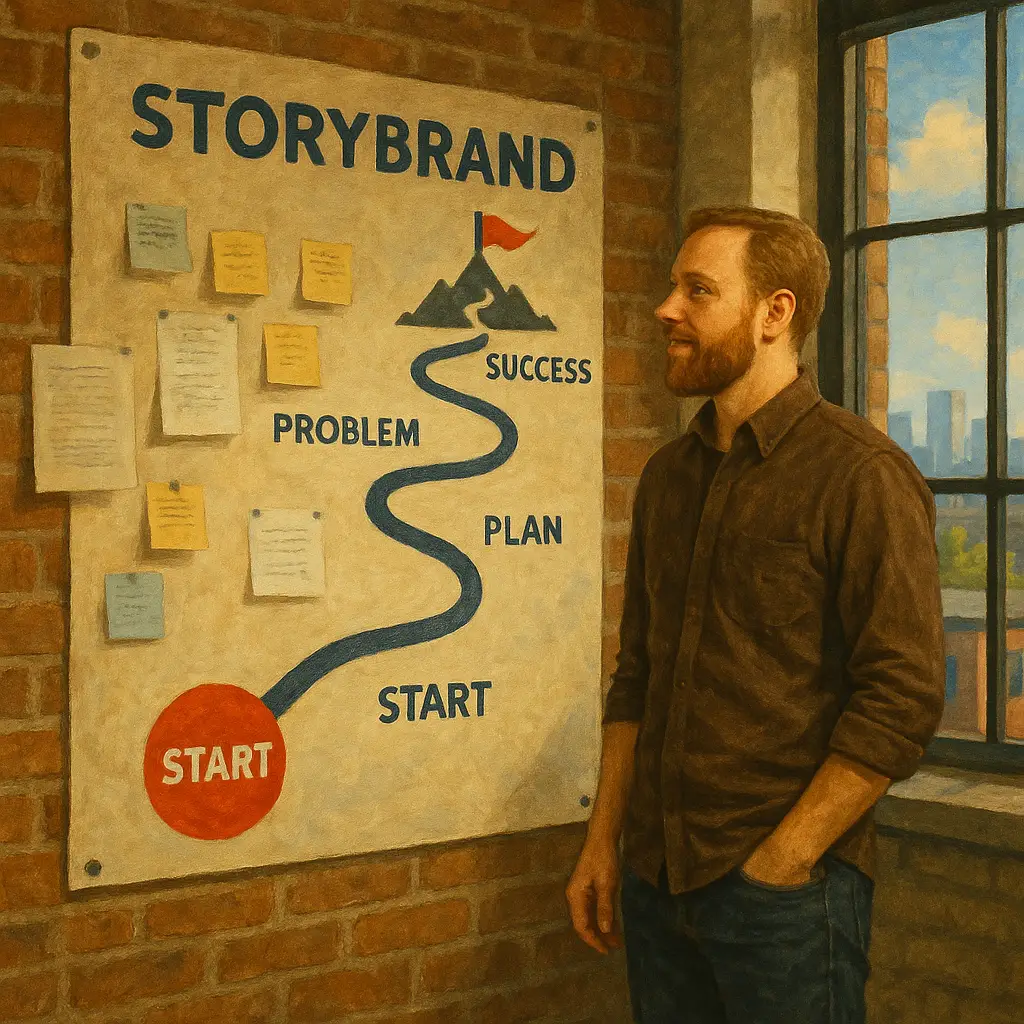
Need help choosing your next step? Get in touch with the marketing outfitters at EV Agency. We’ll help you chart the path—and walk it with you.
No. Social media marketing is a specific subset of digital marketing focused on social platforms. Digital marketing is the broader umbrella that includes email, SEO, content, and more.
It depends on your goals. For fast ROI, digital marketing (like SEO and PPC) is better. For community building and long-term engagement, social media wins.
Yes—but it’s limited. Without a strong website, SEO, or email follow-up, your funnel may have leaks. Social media works best alongside other digital tactics.
Yes. SEO is one of the core pillars of digital marketing and helps your content rank organically on search engines.
Digital marketing often has faster, trackable ROI. Social media delivers long-term brand value, customer trust, and engagement.
Customer, Content, Context, Community, Convenience, Cohesion, and Conversion.
Start with your audience. Then align your budget and resources with your goals. A digital-first approach works well for visibility. Social-first helps if you already have a community.
Keep Growing • More Dispatches from Basecamp

Learn a clear, step-by-step small business marketing system, BrandScript, funnels, email, SEO, ads, and a 30-60-90 plan to get more leads.

Discover the complete guide to social media marketing and management. Learn how to grow your brand, engage followers, and drive results.

Learn what is the 5-5-5 rule on social media to boost engagement, grow followers, and maintain consistency every day.

Discover how social media marketing influences consumer behavior, from product discovery to purchase decisions and beyond.

Discover the five pillars of social marketing. Learn how strategy and engagement can create lasting impressions for your brand.

Social media marketing vs digital marketing: Understand the differences, benefits, and when to use each. Learn how to combine both for real growth.

Explore the power of user generated content UGC to build trust and engage customers with authentic stories and visuals.

Discover how to use social media as marketing to build brand awareness, connect with customers, and drive real business growth. This complete guide offers practical strategies, tools, and insights for success.

Discover how video marketing can transform your business. Learn the best strategies, benefits, and types of video content to boost engagement and conversions.

Explore our ultimate Content Marketing Field Guide for 2025! Uncover effective strategies, diverse types, and practical tips for engaging your audience, building trust, and driving business growth. Ideal for marketers looking to enhance their content strategy.