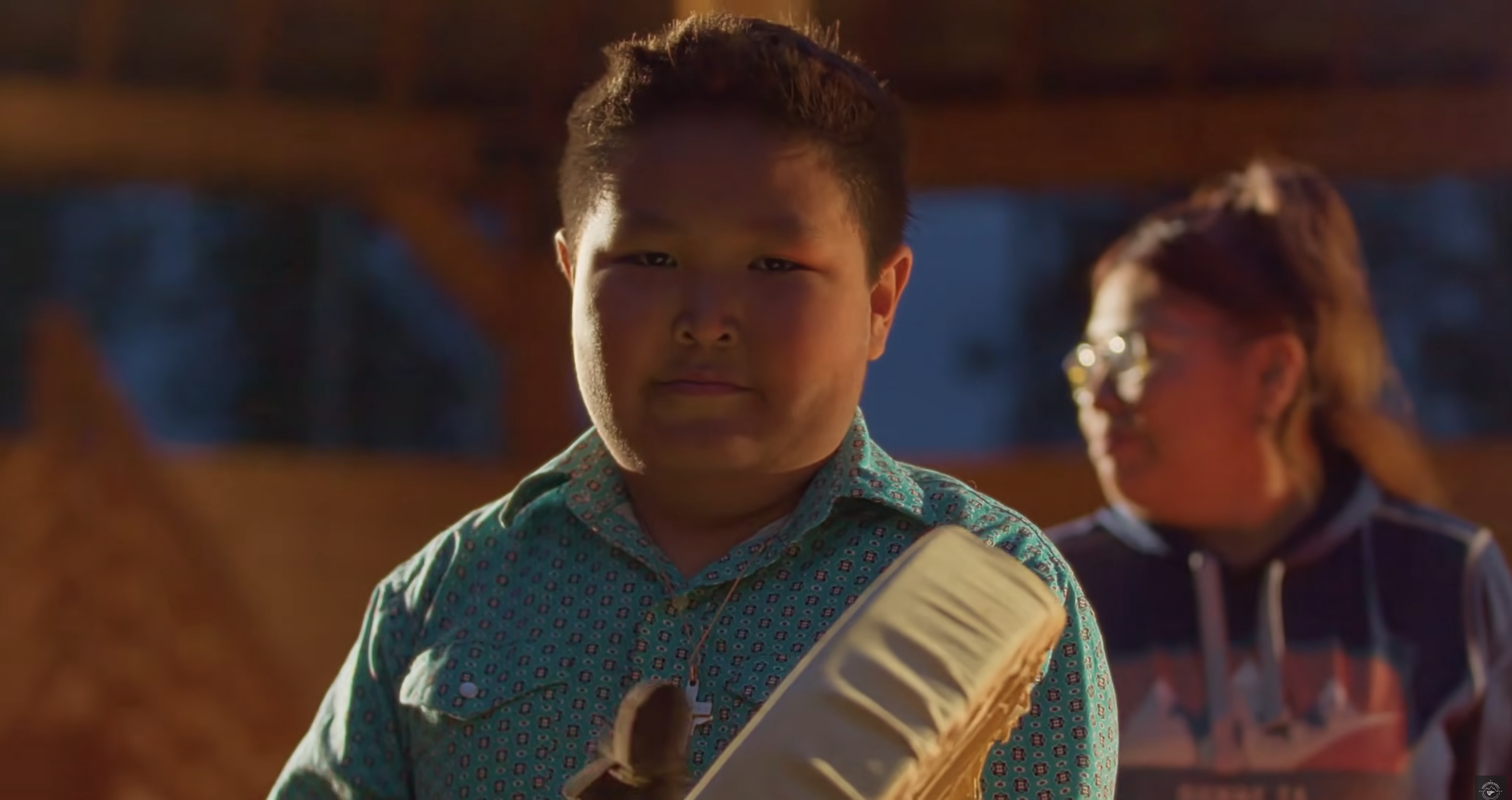
Some stories need more than words on a page. They need land, voice, memory, and time.
For Halfway River First Nation, we created a cinematic land acknowledgement video designed to bring history, stewardship, and cultural values into clear view. Built as a documentary-style hero piece, the film was shaped to help people feel the Nation’s connection to the land and understand the vision guiding its future.
What made this project stand out was not just the beauty of the landscape. It was the care behind the process. We spent four days filming from sunrise to sunset, stayed close to the rhythm of the land and the people, and worked in step with the community to capture a story that felt honest, respectful, and alive.
The Trailhead
Some projects are about promotion. Others are about presence. This one asked for both.
Halfway River First Nation needed a short film that could help people quickly understand something much deeper: the Nation’s relationship to the land, the history carried within it, and the responsibility of stewardship that continues into the future.
The goal was not simply to make a beautiful video. It was to create a respectful entry point into a much larger story. The final piece needed to work as a strong website hero video, but it also needed to hold up in community settings, gatherings, and conversations where the meaning behind the work matters just as much as the visuals.
From the start, this was not about coverage for its own sake. It was about shaping a film that could carry weight without becoming heavy, and bring people closer to the message without oversimplifying it.
What the Client Needed
Halfway River First Nation needed a clear and emotionally grounded way to communicate who they are, what they value, and why their connection to the land matters.
That is not an easy thing to hold inside a short film. The story had to feel honest. It had to offer enough information to guide the viewer, while still leaving room for feeling, reflection, and respect. It also had to be visually strong enough to hold attention online and in public-facing settings.
Success looked like a film people could understand quickly and remember afterwards. It needed to reflect the Nation’s values with care, while giving them one strong piece they could return to again and again for website use, events, and broader communication.
At its core, the need was simple to say but important to get right. The client needed one short film that could carry history, land, values, and vision without losing heart.
The Plan We Mapped Out
Because the story carried cultural meaning and community importance, the process had to stay steady from the beginning.
We started by clarifying the heart of the message: land, stewardship, history, and long-term responsibility. That gave the project a centre to build around and helped every creative choice stay aligned.
From there, we shaped a respectful narrative structure. The film needed to inform people, but it also needed to move them. That meant balancing lived meaning, visual pacing, and a clear emotional through-line without overexplaining the story.
We then planned the filming approach around both interviews and cinematic land coverage, making sure those two elements would support each other rather than compete. The visuals needed to do more than look strong. They needed to deepen understanding.
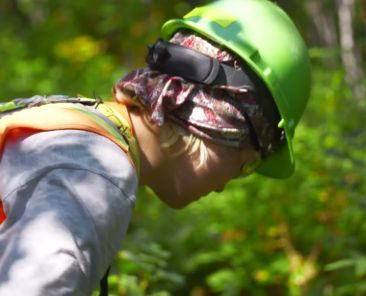
On location, we spent four days filming from sunrise to sunset. That time mattered. It let us follow changing light, shifting weather, real conversations, and the natural pace of the land itself. We also put on a community event to capture traditional hand games, which added another layer of life, connection, and cultural presence to the story.
Throughout the process, we coordinated closely with the community and followed the approach laid out in Eagle Vision Agency’s Indigenous Filmmaking services, which emphasizes Indigenous protocols, trust-building, community voice, informed consent, and respect for cultural and intellectual property.
In post-production, we shaped the film for clarity and emotional weight. It needed to feel cinematic and focused, while still giving the message room to breathe.
What We Delivered
The final scope was focused, but each part of the work carried real purpose.
At the centre of the project was one documentary-style land video. This became the main story asset, bringing together history, stewardship, and cultural values in one clear and memorable piece.
Behind that final video was creative planning that helped define the message before filming began. We also worked through story development and scripting so the final piece would feel informative, respectful, and emotionally engaging without sounding distant or overly formal.
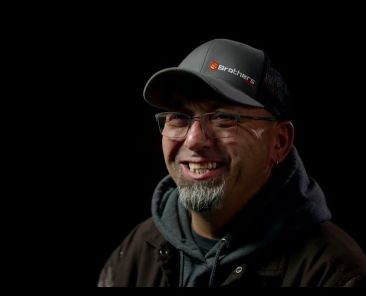
Interviews gave the story voice and lived perspective. They helped the audience understand not just what the land represents, but why that relationship matters.
Cinematic on-location filming gave the piece scale, atmosphere, and context. In this project, the land was not scenery in the background. It was part of the message itself.
The finished edit was built to work as a website hero piece, but also as a practical story asset for community-facing use beyond a single launch.
So while the deliverables were not excessive, the outcome was meaningful. Halfway River First Nation came away with a strong visual tool that can keep doing its job over time.
How We Captured the Story (On-the-Ground Approach)
The strength of this project came from the balance between message and mood.
The client wanted something cinematic, visually strong, and memorable. At the same time, the story needed to stay grounded. It could not feel staged, overworked, or disconnected from the people and place it was meant to represent.
That is why we approached the project like a documentary rather than a commercial. We focused on truth, place, and voice. Instead of forcing emotion into the piece, we let the story gather it naturally through interviews, land-based visuals, and the pace of real moments unfolding.
The four days on location shaped that in an important way. Filming from sunrise to sunset gave us a fuller sense of the land and the life around it. The changing light, the time spent outdoors, and the room to observe quietly all helped the final film feel more lived-in and less manufactured.
The community event also mattered. Capturing traditional hand games brought movement, energy, and shared experience into the film. It helped the story feel communal, not just scenic.
Just as important, the process itself stayed rooted in respect. Eagle Vision Agency’s Indigenous Filmmaking approach publicly commits to listening, building trust, involving community voice, working with cultural sensitivity, prioritizing informed consent, and honouring cultural and intellectual property. That kind of process matters in projects like this because it shapes not just how the film is made, but how the story feels when people watch it.
In the end, the piece worked because the visuals were given a clear job to do. They were there to support meaning, not distract from it.
he Results
Halfway River First Nation now has a strong hero video that helps people quickly understand who they are as a people. The Nation has one clear visual story that brings land, stewardship, and cultural meaning together in a way people can feel.
The video also gives the client a reusable communication asset for more than one setting. It can support the website, community events, public presentations, and future outreach without needing to rebuild the story from scratch each time.
Just as important, the finished film adds clarity and consistency to the Nation’s public presence. When a story this meaningful is handled with care, people notice. They may not always describe it in technical terms, but they can feel the difference.
That is the real proof here. The story now has a strong form people can return to, share, and understand.
A Few Lessons From This Project
This project left behind a few lessons worth carrying forward.
First, a short film can still carry real depth. What matters is not runtime. What matters is whether the story has a clear centre.
Second, land should be treated as part of the story, not just as a backdrop. In a project like this, place carries identity, context, and emotional truth.
Third, community process shapes the final result. When the work is built through trust, coordination, and respect, the film feels stronger because it is stronger.
Fourth, cinematic visuals matter most when they have a purpose. Beauty alone is not enough. The strongest images are the ones that help people understand something more deeply.
And finally, one focused piece can go a long way. A well-made story asset can support a website, strengthen community communication, and help carry an important message forward for years.
Ready to Build Something Like This?
If your organisation has an important story to tell, you do not need noise. You need clarity, care, and a process that respects what the story is carrying.
That is where we come in. Eagle Vision Agency creates story-driven films that help organisations communicate with honesty, strength, and visual impact. Whether you need a documentary-style hero video, a community story piece, or a broader content system, we can help shape the message and bring it to life with a steady hand.
Reach out to book a call, request a quote, or start the conversation.