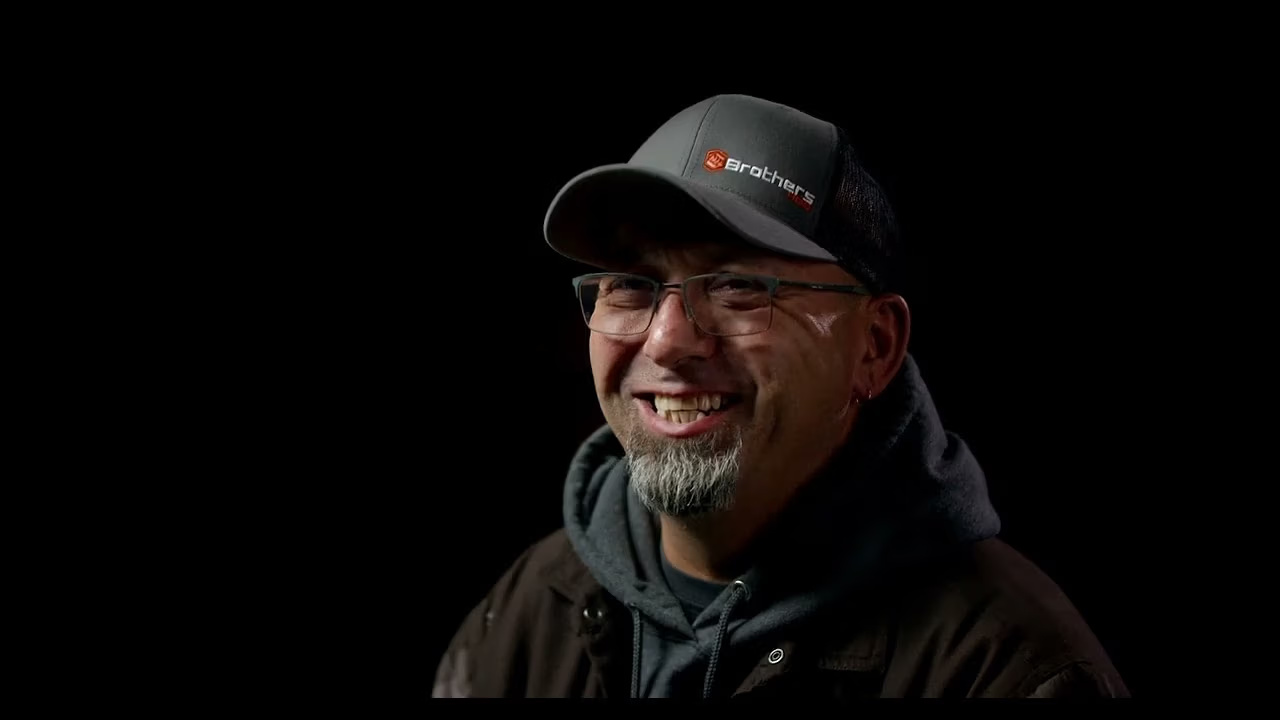
Some stories should not be rushed.
That was true for this project with Blueberry River First Nations. At the Two Eyed Seeing Restoration Camp near Pink Mountain, students and teachers came together on the land to learn through restoration work, shared knowledge, and lived experience.
Our role was to document that work with honesty and care, then shape it into a film that could preserve the story, support education, and help more people understand the deeper purpose behind the camp.
The result was more than a documentary. It became a lasting story asset rooted in place, built to help important knowledge travel further.
Sample Knowledge Module (1/18)
TL;DR
- We produced a documentary film for Blueberry River First Nations centred on the Two Eyed Seeing Restoration Camp.
- Over three weeks on the land, we documented restoration work, knowledge sharing, and cultural connection as students and teachers learned together in real time.
- We also captured material tied to 18 Knowledge Modules for online education.
- One of the strongest parts of the project was its authentic on-the-ground feel, with the story unfolding through real moments instead of staged ones.
- The result was a film that helps preserve important knowledge, support education, and communicate the purpose of the camp with clarity and care.
The Trailhead
Every meaningful story starts with a reason to pay attention. This one began on the land.
Blueberry River First Nations is deeply engaged in land restoration, cultural stewardship, and community education. In 2024, the Two Eyed Seeing Restoration Camp near Pink Mountain brought students and teachers together through hands-on work, shared teaching, and connection to place.
The Nation wanted to document that work in a way that felt real, respectful, and useful long after camp ended. The goal was not simply to record what happened day by day. It was to preserve a living story about restoration, learning, and cultural continuity.
That gave the project a clear responsibility from the start. The film needed to honour the people, the purpose, and the land without flattening any of it into a simple highlight reel.
What the Client Needed
Before production began, it was clear this called for more than a standard promotional video.
Blueberry River First Nations needed a documentary film that could show what the Two Eyed Seeing Restoration Camp truly was. Viewers needed to understand the work happening on the land, the exchange of knowledge between generations, and the deeper purpose behind restoration and stewardship.
The film needed to connect with people right away, but it also needed to stay grounded in truth. It had to support education, preserve meaning, and serve as a strong website hero asset that could introduce the camp with clarity and confidence.
That changed the nature of the assignment. We were not there just to gather footage. We were there to help shape a story that people could learn from, return to, and carry forward.
The Plan We Mapped Out
A strong documentary usually feels natural on screen because the process behind it is steady and intentional.
We began with creative planning so everyone was aligned on purpose, tone, and story direction. From the outset, one idea guided the work: authenticity.
From there, we built a documentary approach that let the camp speak for itself. Rather than trying to over-direct the story too early, we created a production plan that gave real moments room to lead.
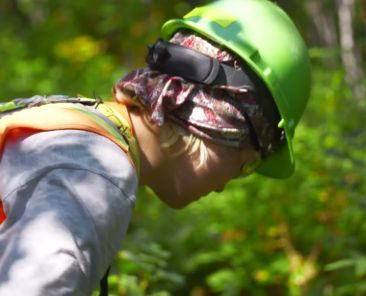
That meant spending three weeks on the land with the students and teachers. That time mattered. It allowed us to observe the rhythm of the camp, document lessons as they unfolded, and capture the relationships and environment with patience.
As filming continued, we focused on the moments that gave the camp its meaning: restoration work, teaching, cultural connection, and the relationship between people and place.
In post-production, we shaped the material into a film that felt clear and engaging while still respecting the honesty and pace of the experience itself.
Throughout the project, collaboration remained important. Work like this depends on trust, presence, and thoughtful communication. That helped keep the process organized and respectful from beginning to end.
What We Delivered
Once the direction was clear, each deliverable served a purpose.
At the centre of the project was one short documentary film. This became the main story piece, capturing the purpose, experience, and emotional weight of the restoration camp in a way people could return to and share.
Behind that film was careful creative planning that helped define the message, tone, and overall direction before filming began.
We also carried the project through story shaping in post-production, giving the final piece structure without stripping away its authenticity.
Three weeks of on-location filming made it possible to document real learning, real relationships, and real work on the land. That time gave the story its depth.
The production also included visual documentation of restoration activities and teaching moments, helping viewers understand the camp through lived action rather than description alone.
Beyond the documentary itself, we captured material tied to 18 Knowledge Modules for online education. That extended the value of the project well beyond a single film and supported continued learning after camp ended.
The finished piece also gave Blueberry River First Nations a strong website hero asset, offering a meaningful visual introduction to the camp and its purpose.
Taken together, these deliverables gave the client a stronger way to preserve, communicate, and share the work.
How We Captured the Story (On-the-Ground Approach)
Documentary work is strongest when the crew knows when to step forward and when to step back. That balance shaped the entire approach.
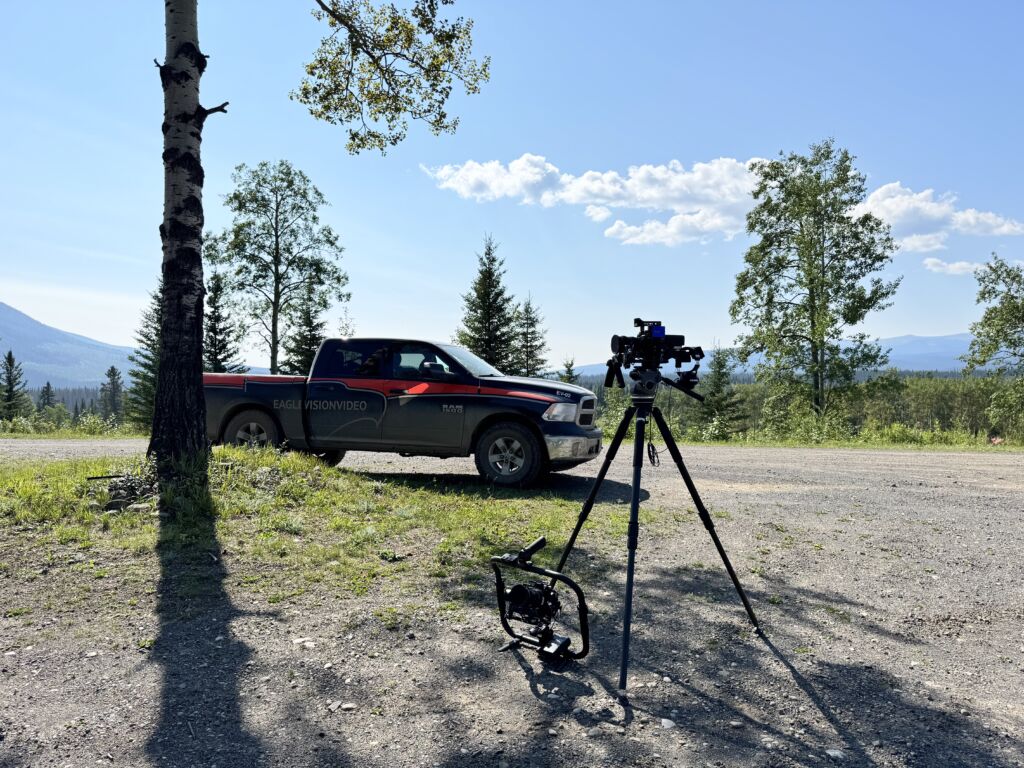
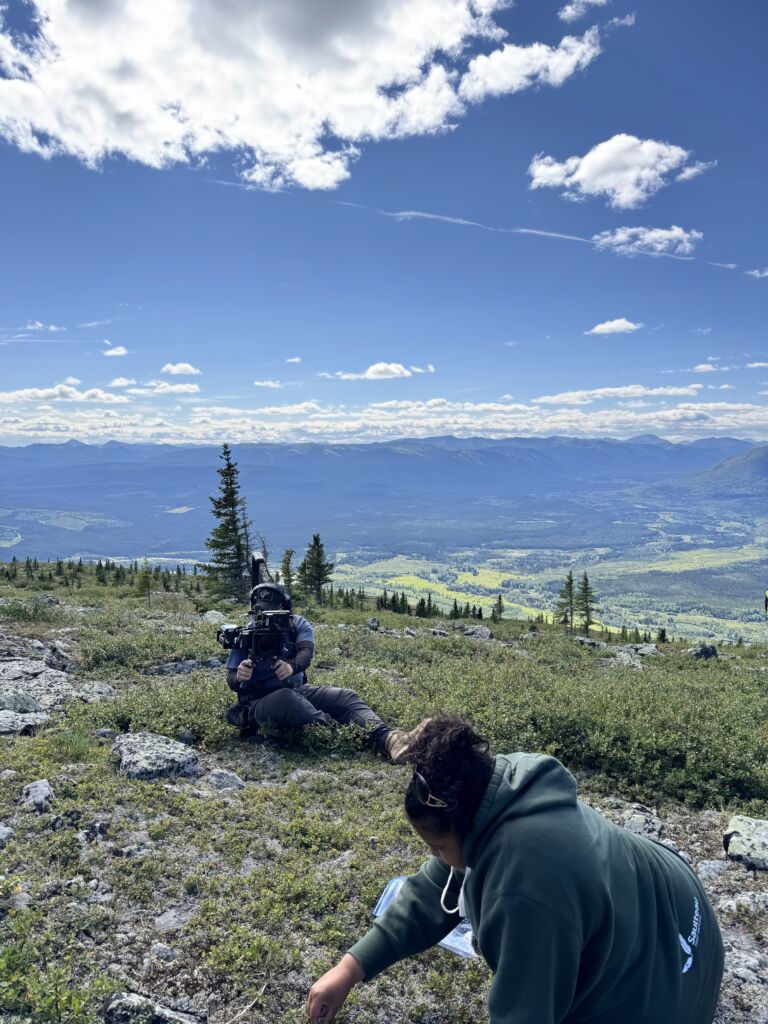
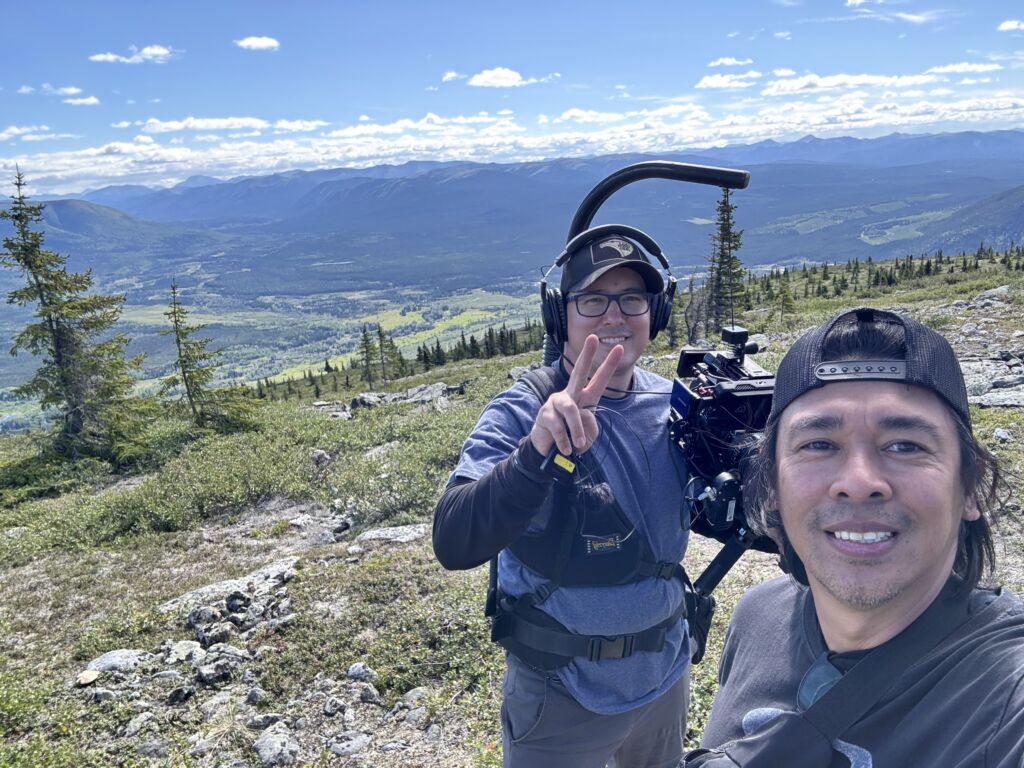
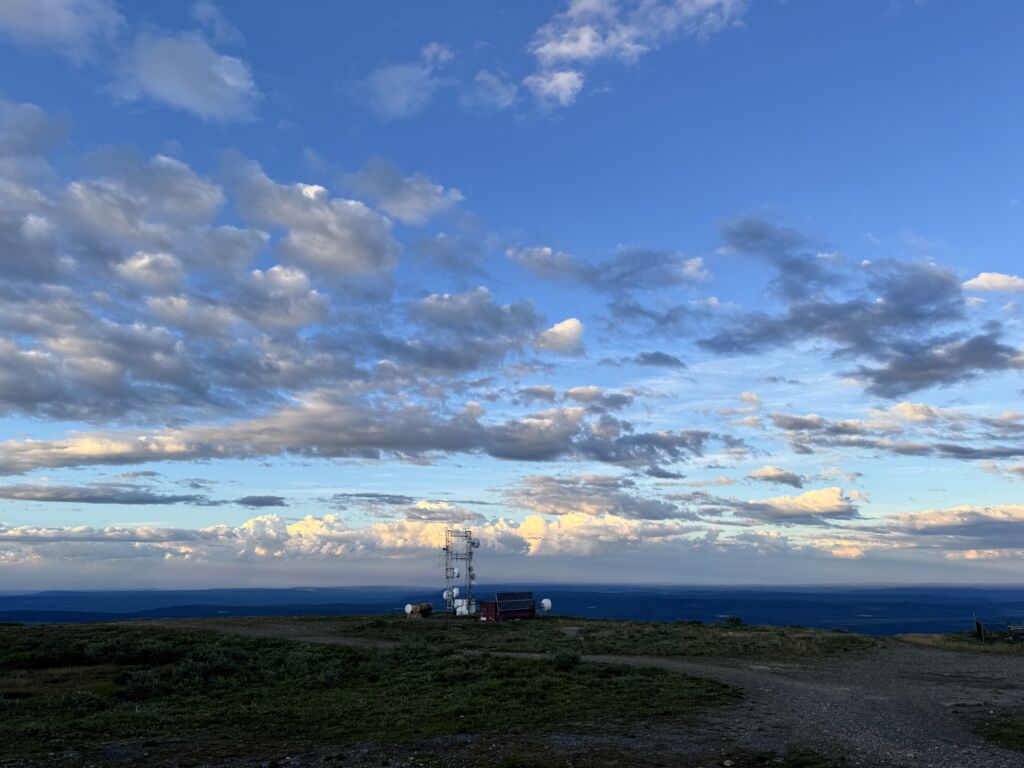
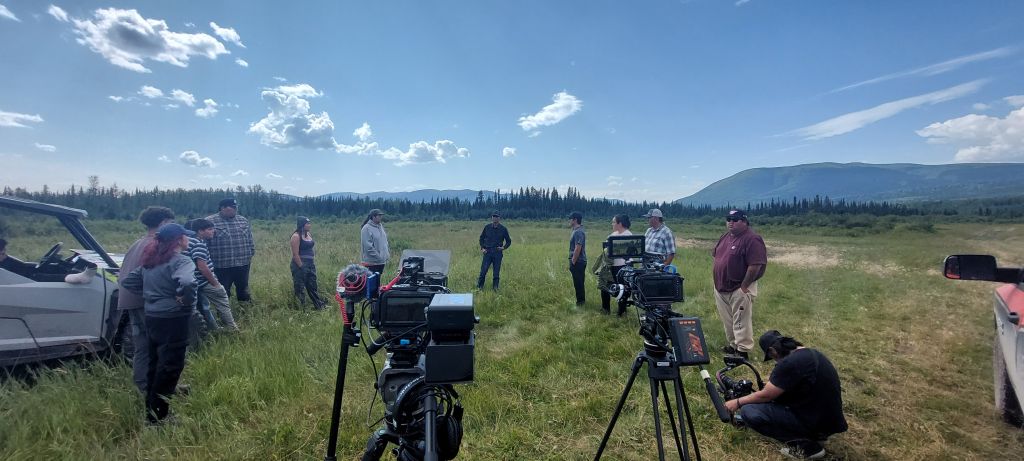
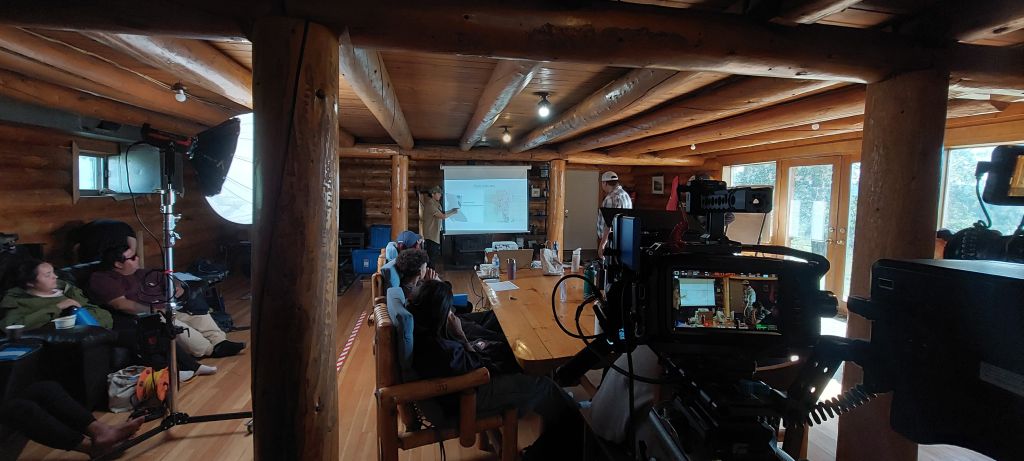
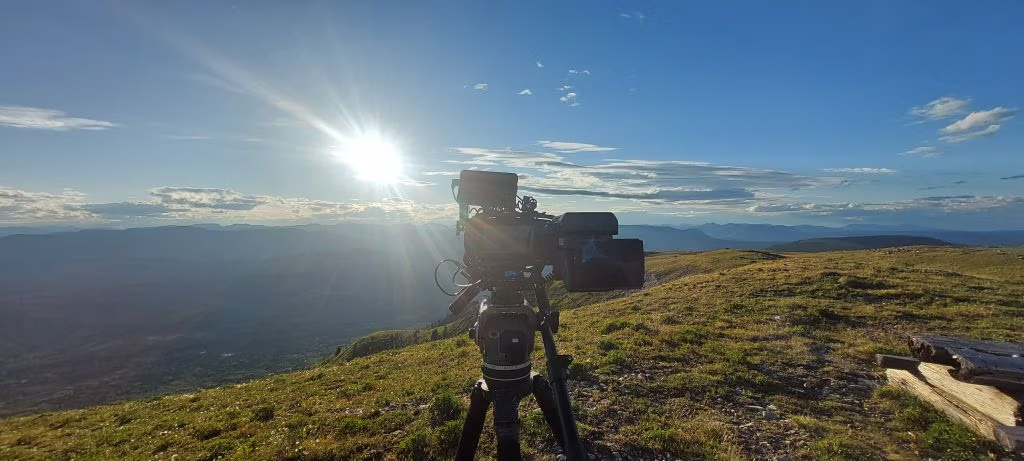
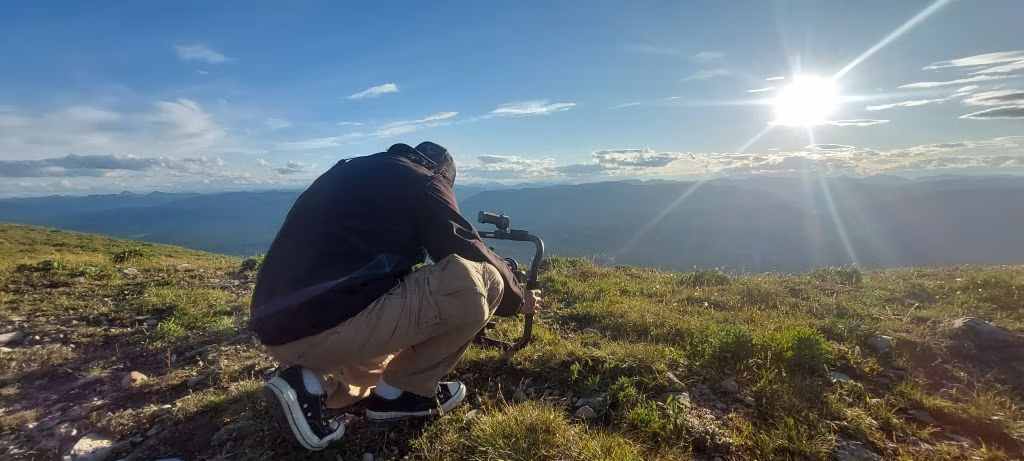
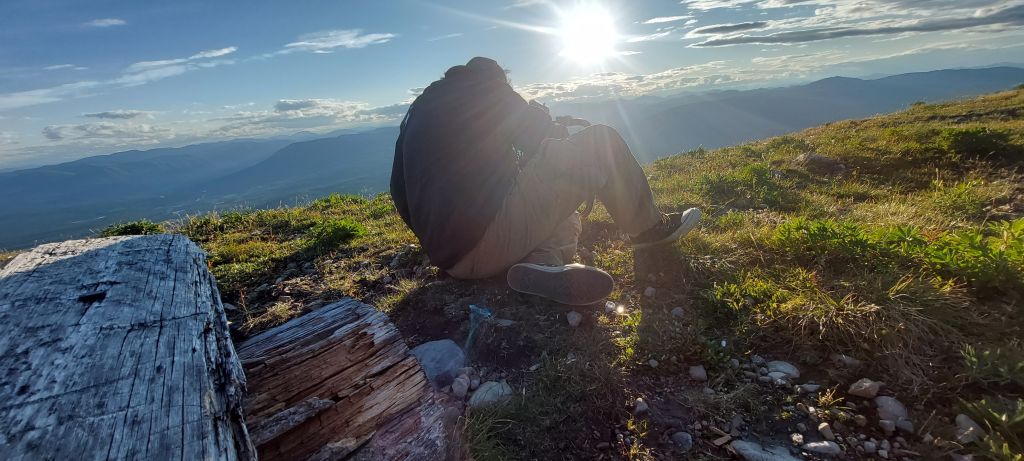
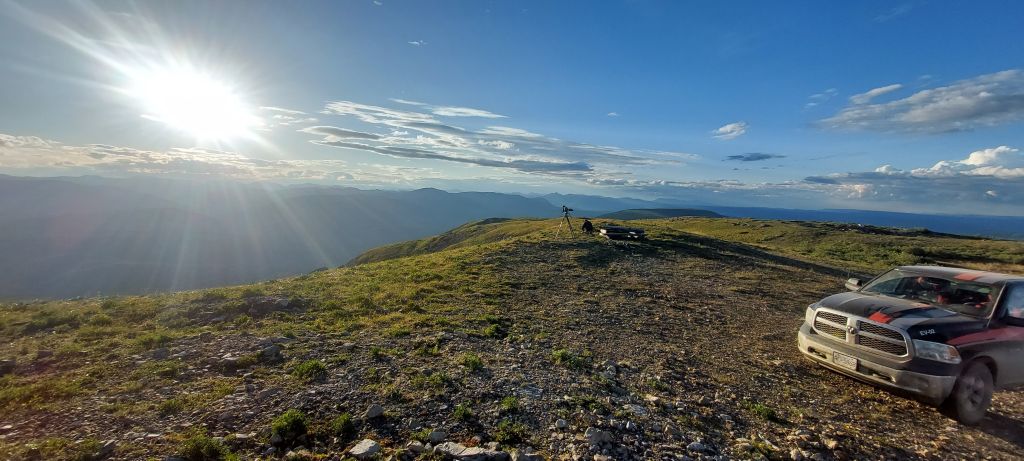
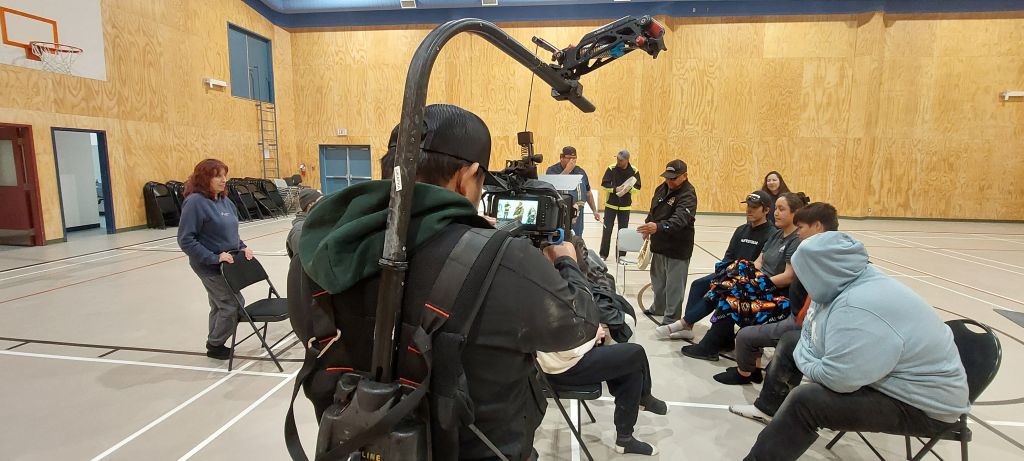
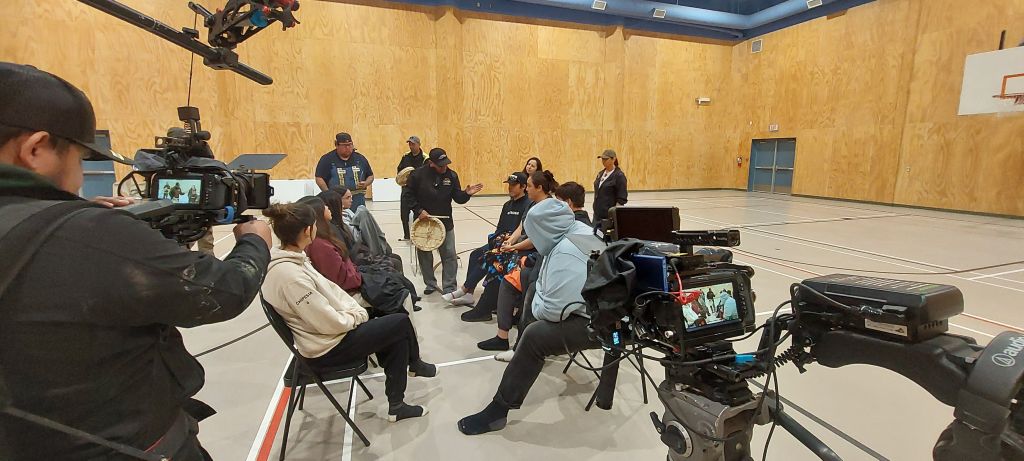
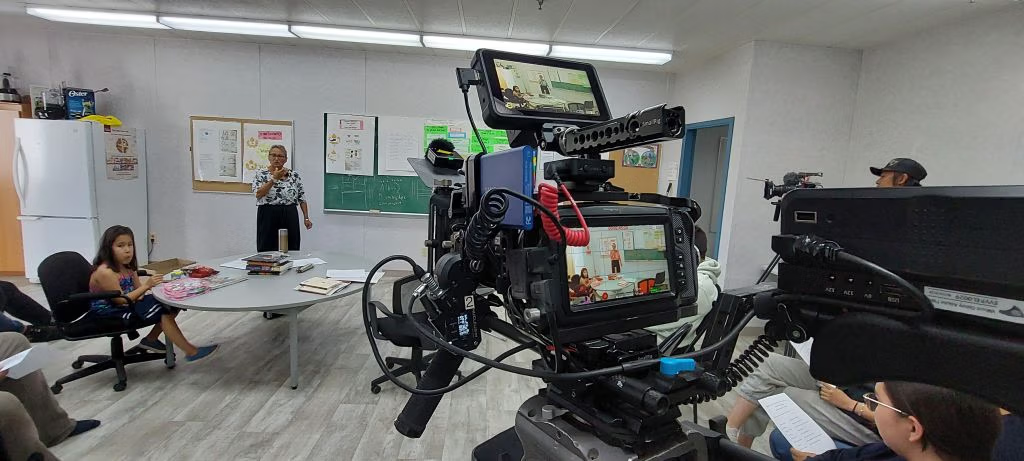
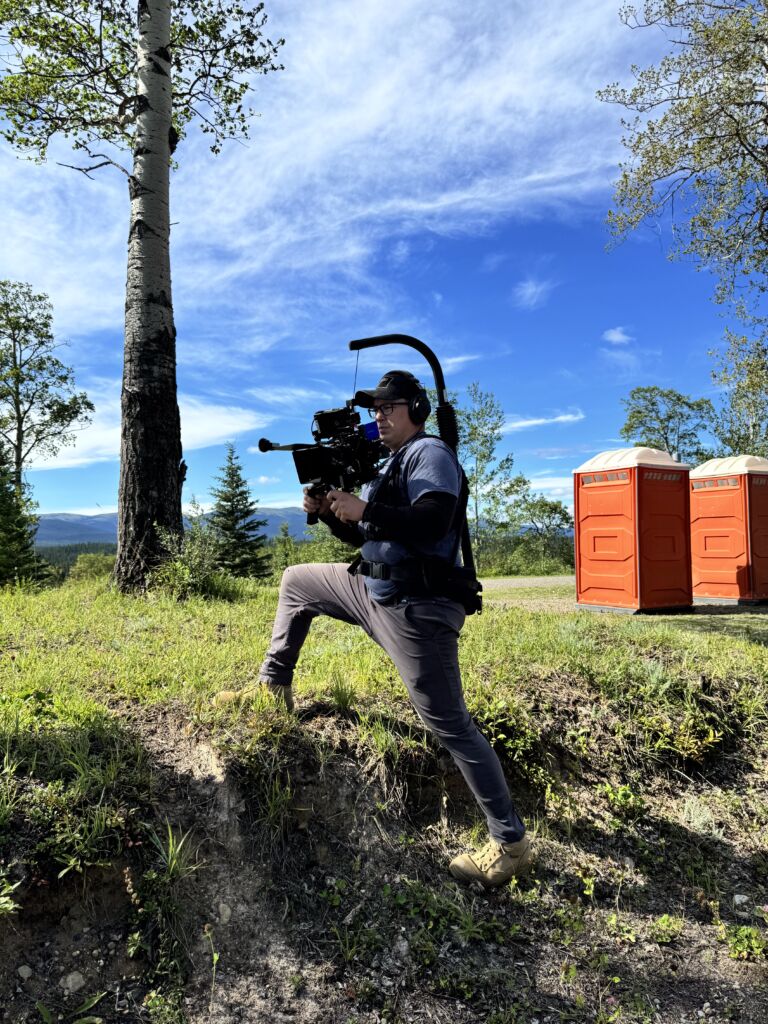
On the ground, we focused on real moments as they unfolded. We followed the rhythm of the camp instead of trying to force it into something staged. That meant paying close attention to restoration work, natural teaching moments, quiet interactions, and the setting itself.
Authenticity was not just a theme. It was the creative direction. It shaped the filming style, the pacing, and the way the story came together in the edit. We wanted the final piece to feel cinematic and engaging, but never overproduced. The story needed room to breathe.
That mattered even more because this project was about more than visibility. It was about documenting meaningful work in a way that felt honest and respectful to the people involved. Our role was to observe carefully, film with care, and shape the final story without crowding it.
Because of that, the documentary feels rooted in place. It does not simply describe the camp. It invites the viewer into it.
The Results
Not every meaningful result shows up in a spreadsheet. For this project, the strongest proof is what the film now makes possible.
Specific metrics such as views, leads, or watch time were not provided, so we are not going to pretend otherwise. The value here is easier to see in the work itself.
First, the documentary helped preserve important knowledge in a format that can be shared again and again. Learning that took place in person can now continue beyond the moment.
Second, the film gave Blueberry River First Nations a clearer and more immediate way to communicate the purpose of the Two Eyed Seeing Restoration Camp. Instead of relying only on text, they now have a visual story that shows the work and helps people feel its importance.
The project also created broader educational value through the 18 Knowledge Modules. That means the story did not stop with one finished film. It became part of a larger learning resource.
Just as importantly, the documentary strengthened the client’s digital presence by serving as a strong website hero asset. It gives visitors a more immediate and meaningful introduction to the camp and what it stands for.
That is what changed. The story became easier to share, easier to understand, and more likely to stay with the viewer.
A Few Lessons From This Project
This project reinforced a few things worth carrying forward.
Meaningful stories need enough time. Spending three weeks on the land gave this project a depth it could not have had otherwise. Time allows trust to build and real moments to emerge.
Authenticity depends on the right production approach. If the goal is truth, the crew needs restraint as much as skill. Often, that leads to stronger footage than a tightly controlled setup.
Documentary work is strongest when it serves a bigger purpose. The best films do more than look good. They help educate, preserve knowledge, and support the client’s mission.
Place also matters. In a story tied to land, the setting is not just scenery. It carries meaning and helps the viewer understand why the work matters.
And finally, one well-shaped project can create value in more than one direction. This film supported storytelling, education, digital communication, and knowledge preservation all at once.
That is one of the clearest takeaways here. When a story is handled well, its value reaches far beyond the first deliverable.
Ready to Build Something Like This?
Some stories need more than a camera and a quick edit. They need a clear plan, a respectful process, and visuals that help people connect with what matters.
If your organisation needs a documentary, a campaign film, or a story-driven video asset, Eagle Vision Agency can help you shape it with clarity and care. We keep the process steady, the story focused, and the visuals strong so the final piece does the job it is meant to do.
Reach out to book a call, request a quote, or start the conversation.
I can also give you the refined meta description, excerpt, slug, and comma-separated services list for this one next.