Airport websites have to do more than look polished. They need to serve travellers, partners, staff, and the wider community without creating confusion along the way.
That was the challenge with North Peace Regional Airport. The airport needed a website that could support both community and corporate communication, provide real-time flight information, and keep growing alongside the airport itself. Over eight months, we worked closely with their communications team to build a site that feels clear, modern, and ready for the future.
The result was more than a redesign. It was a full digital rebuild that combined strategy, custom development, original photography and video, and a stronger foundation for the airport’s next stage of growth.

TL;DR
- We redesigned and rebuilt the North Peace Regional Airport website to support travellers, partners, and the wider community.
- Over eight months, we worked closely with the airport’s communications team to shape the structure, content, visuals, and long-term direction of the site.
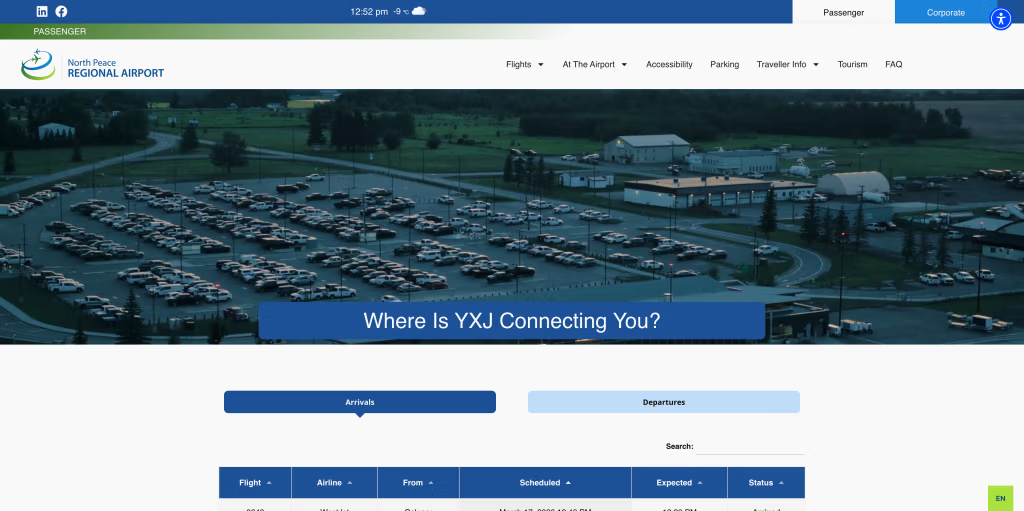
- A key part of the project was custom development for Flight Information Display Systems, giving the airport a stronger way to show real-time arrivals and departures.
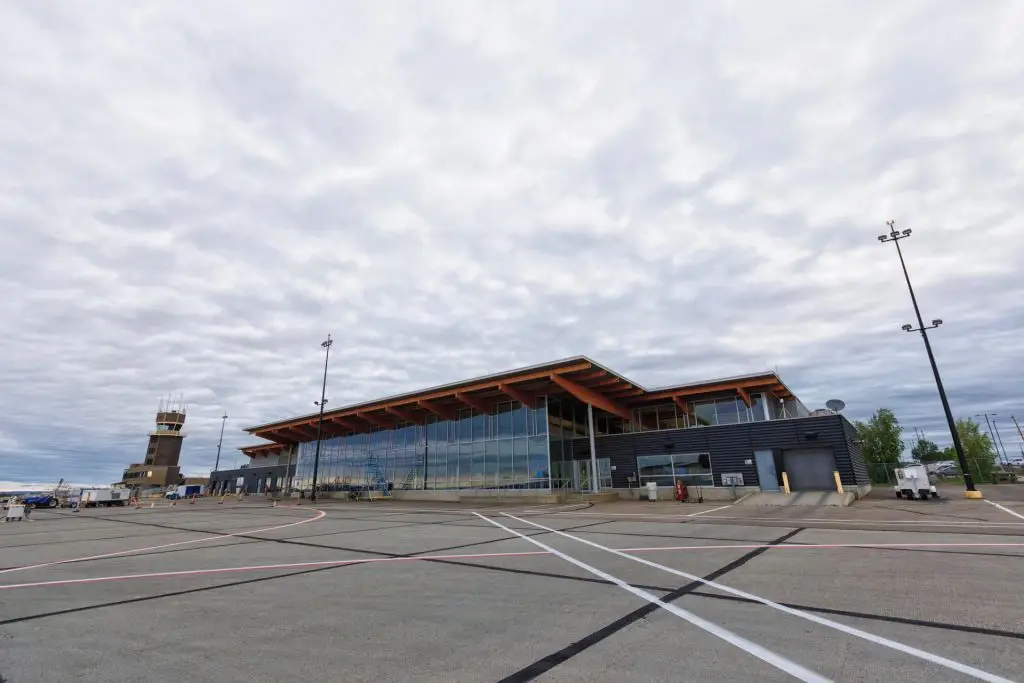
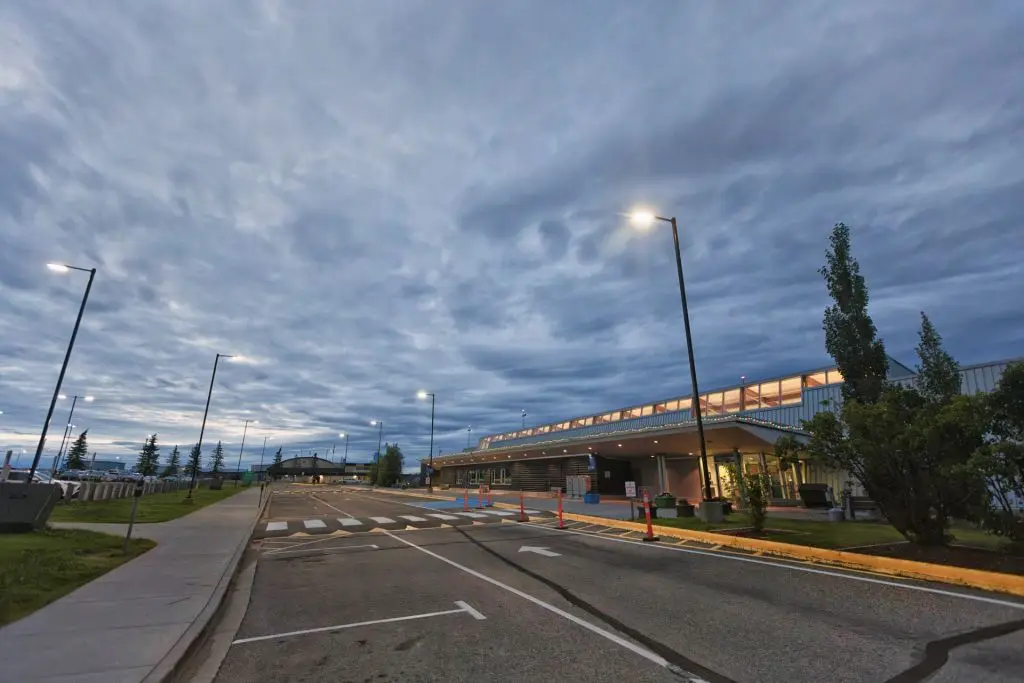
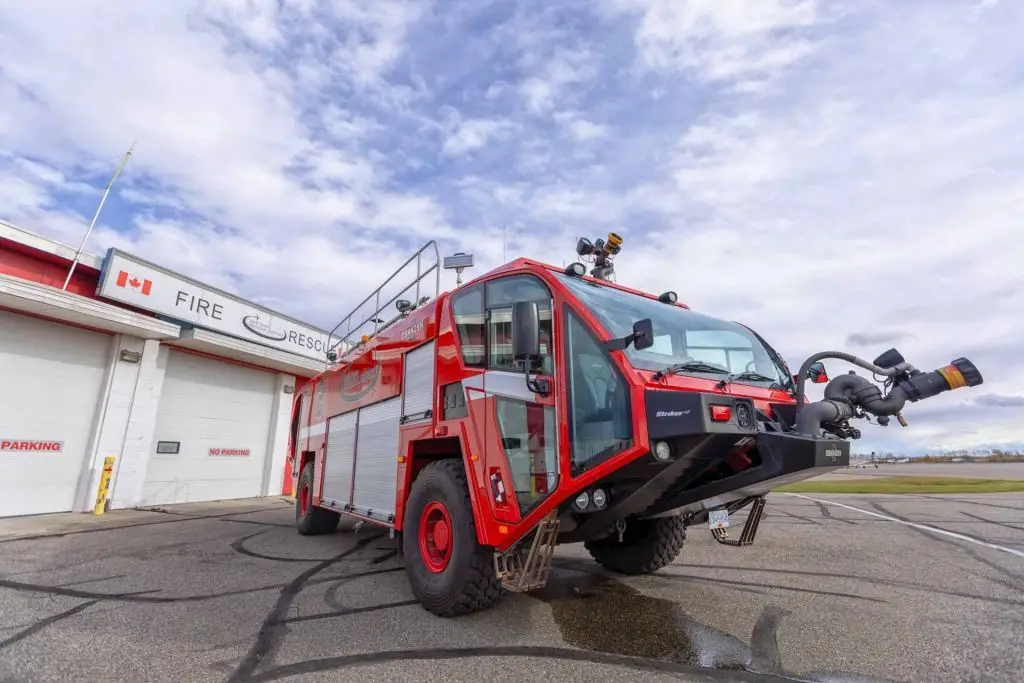
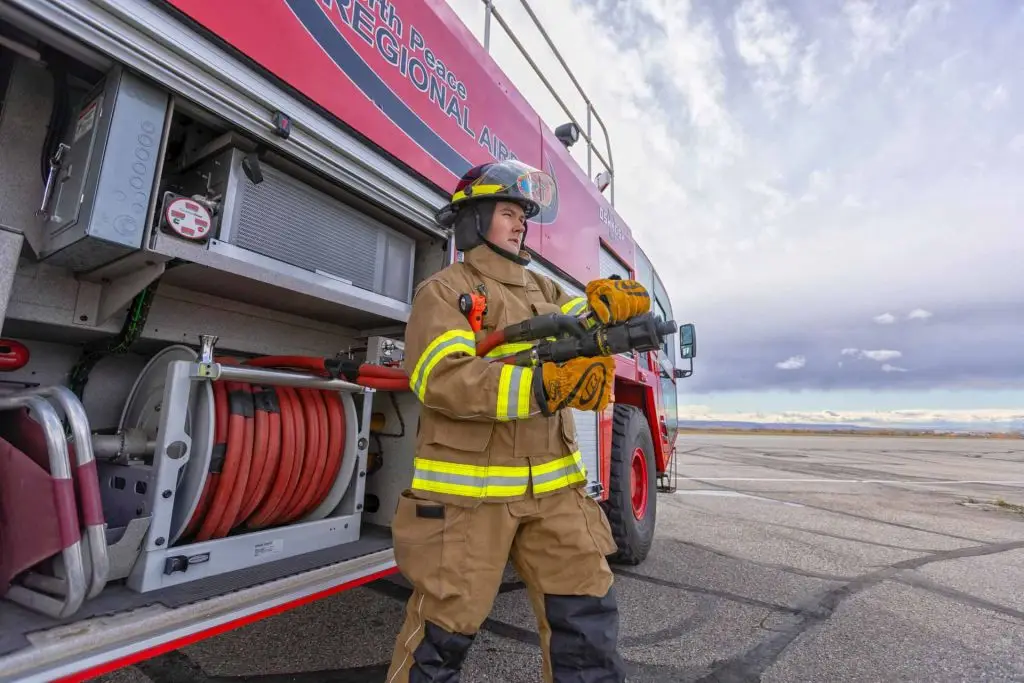
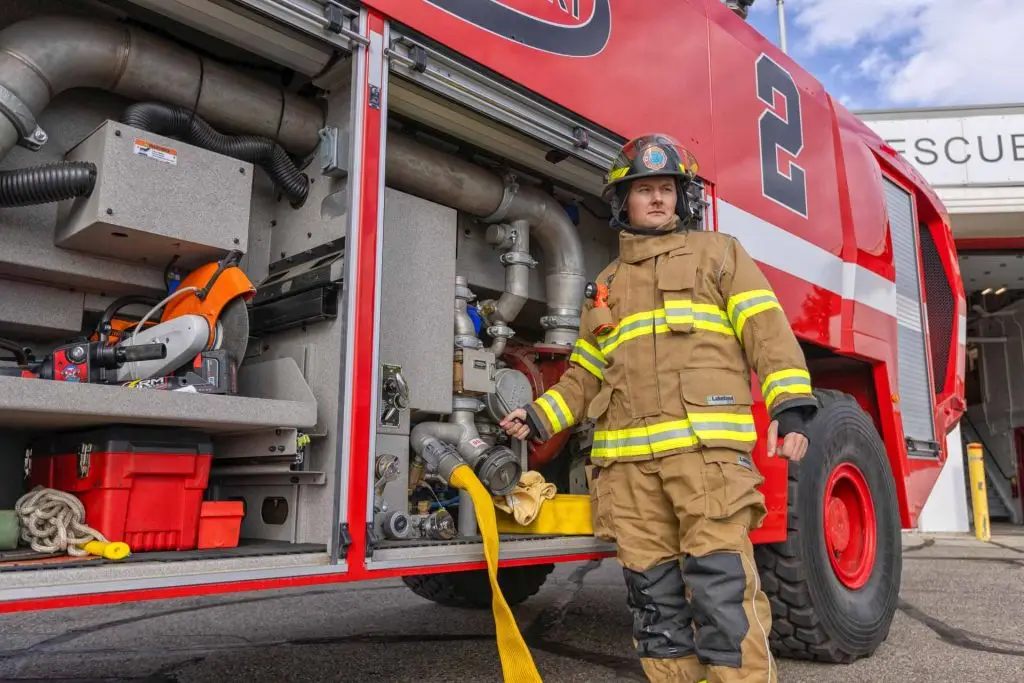
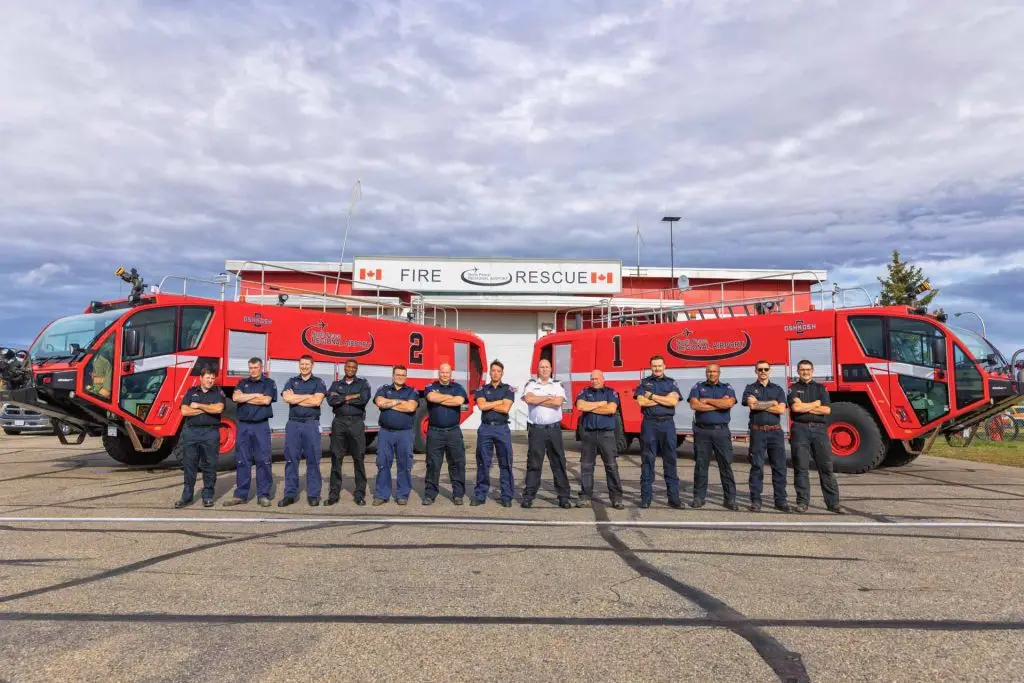
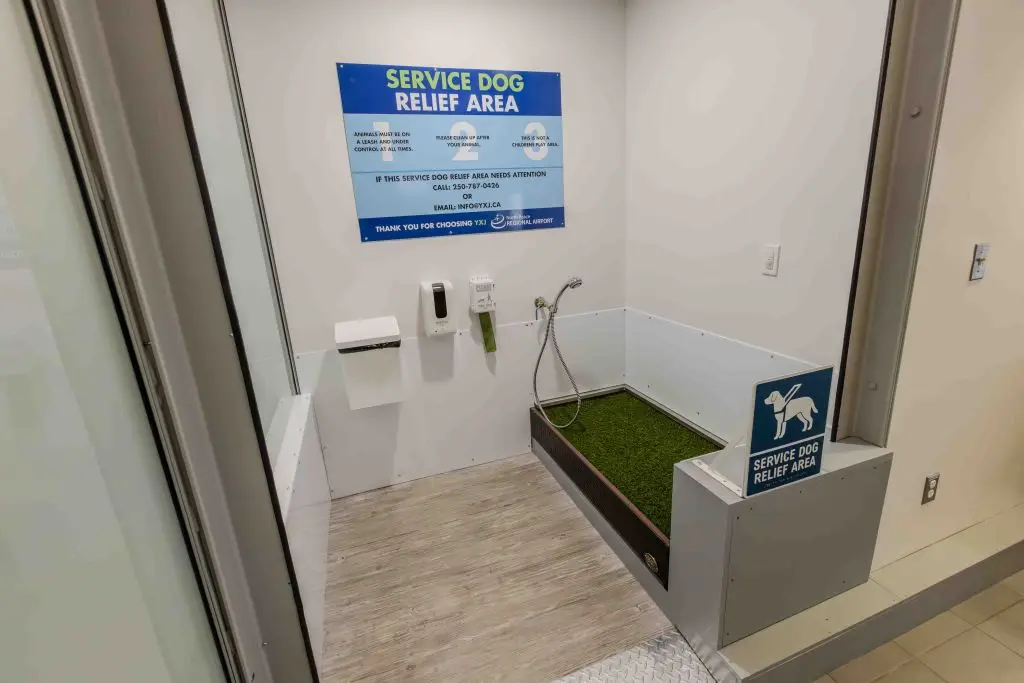
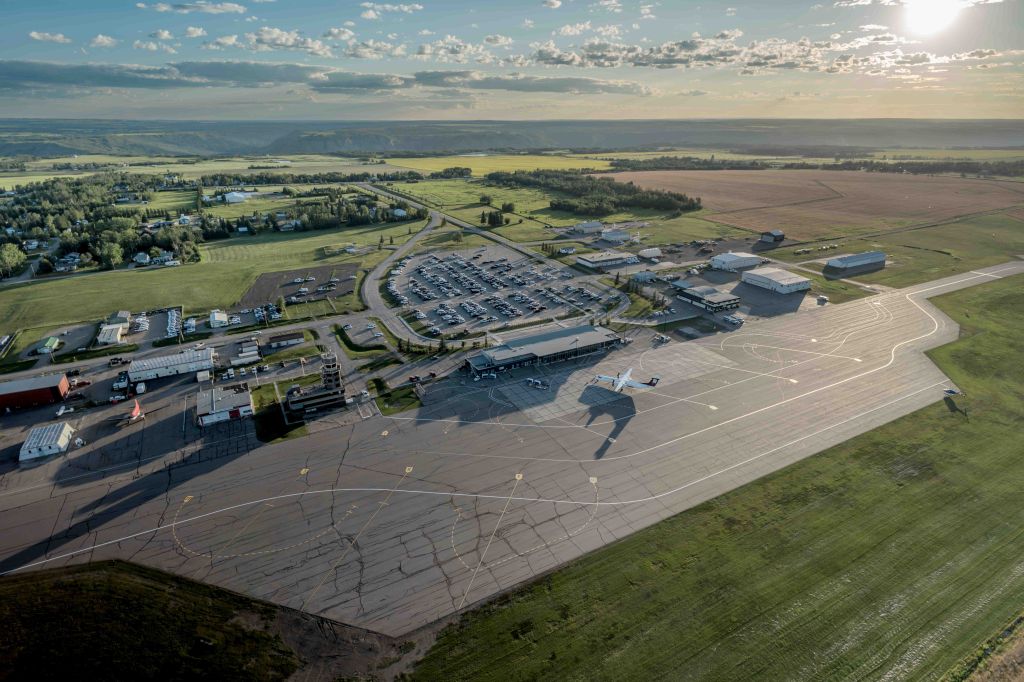
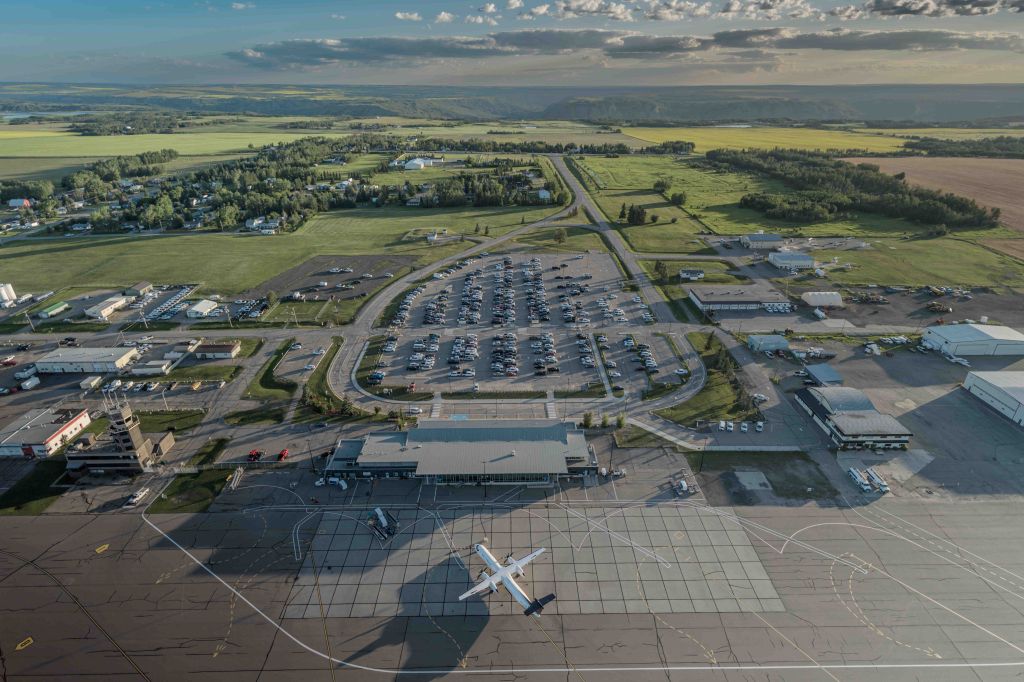
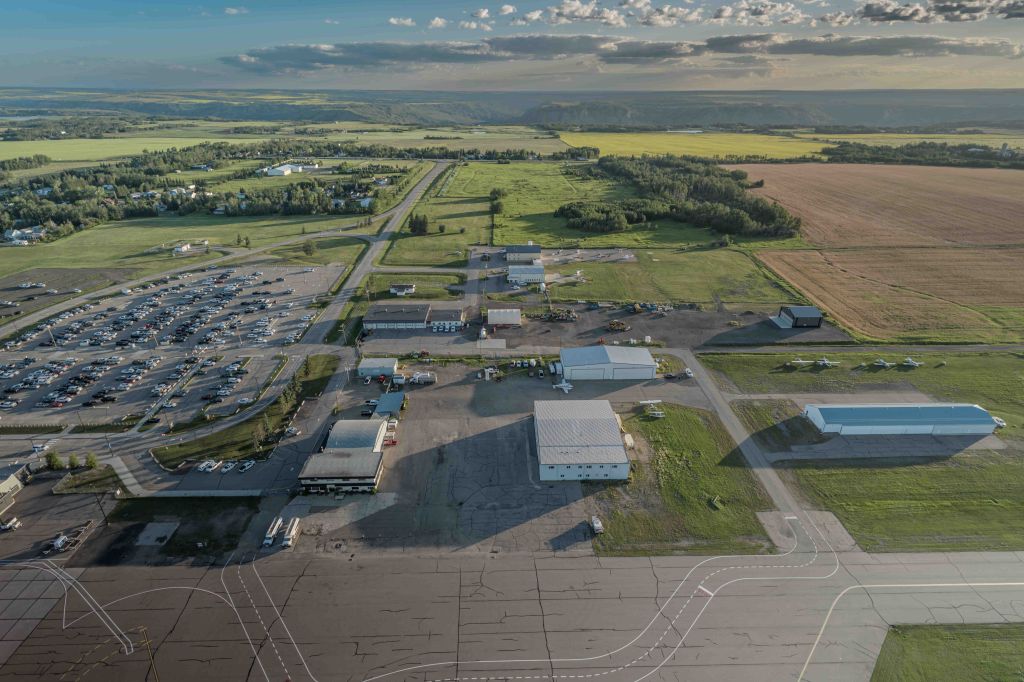
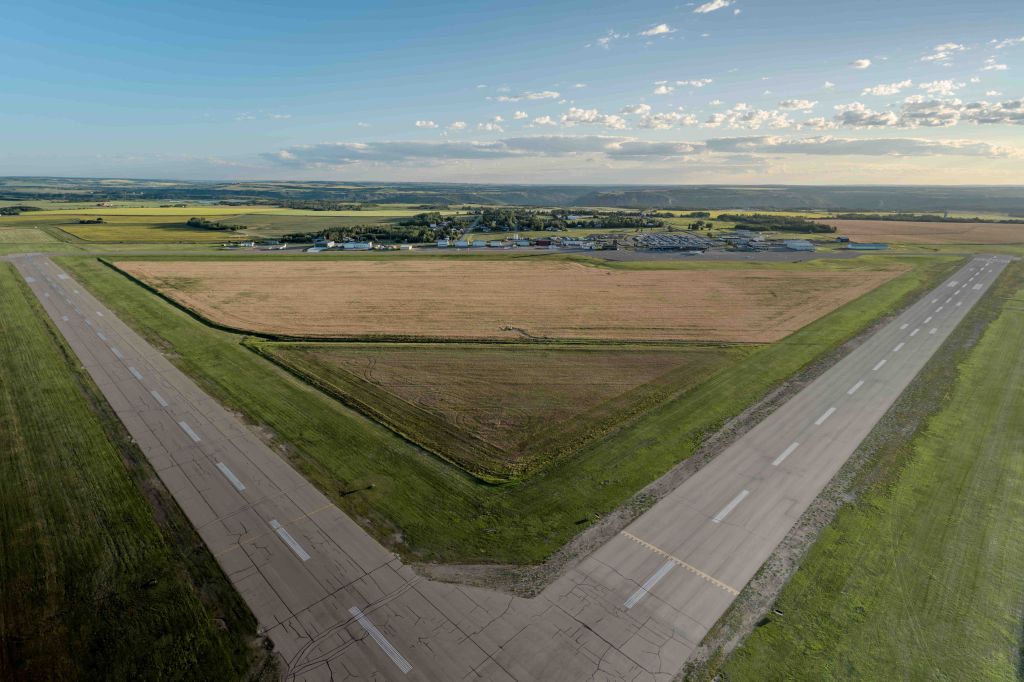
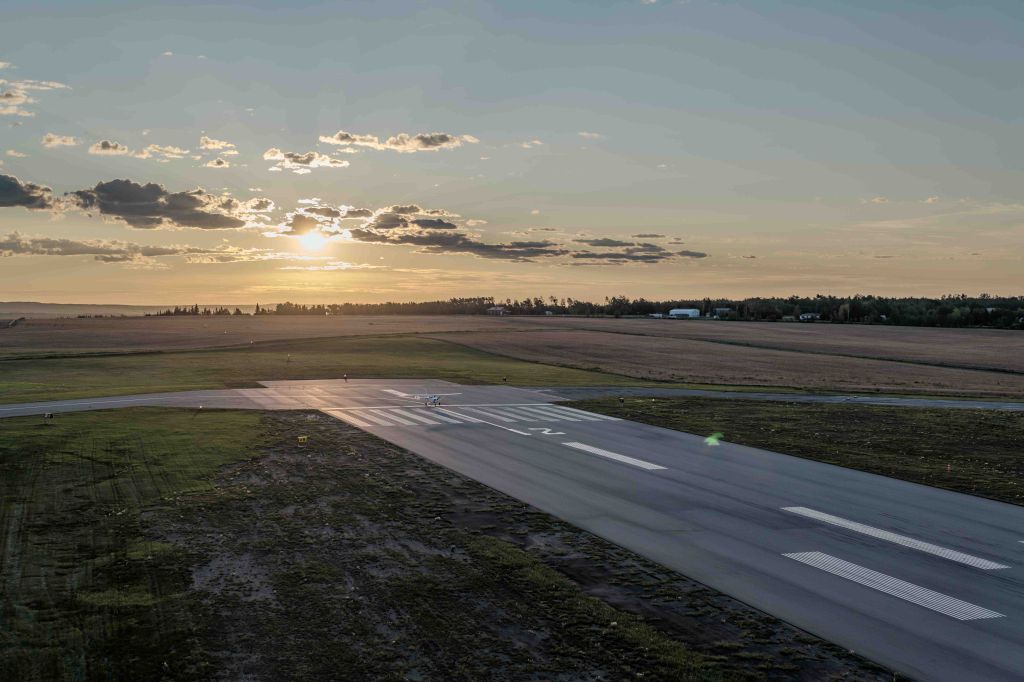
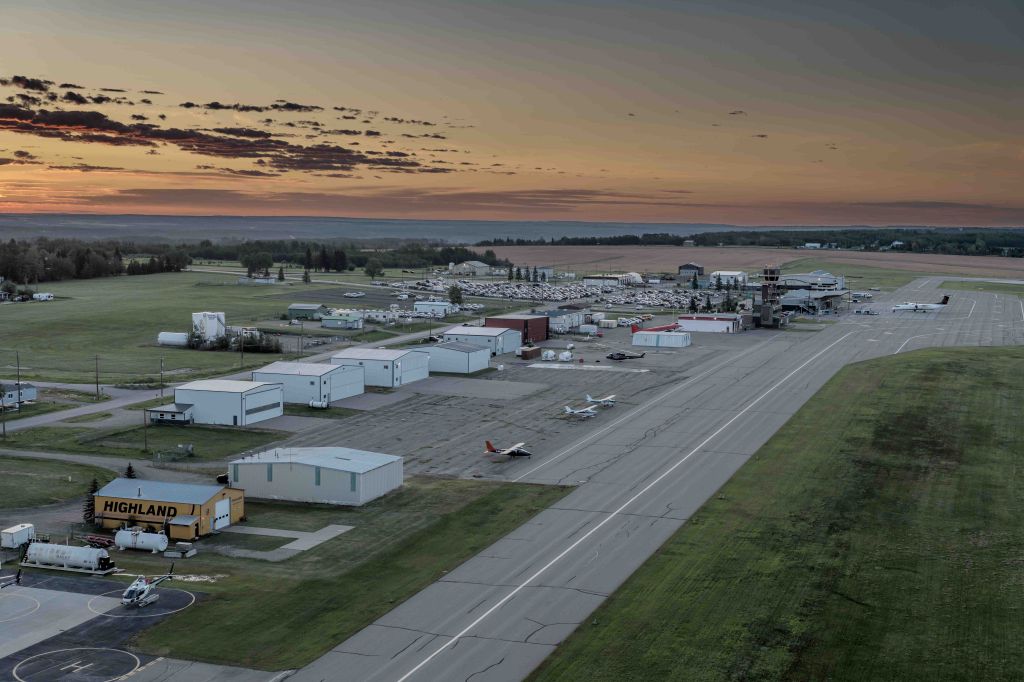
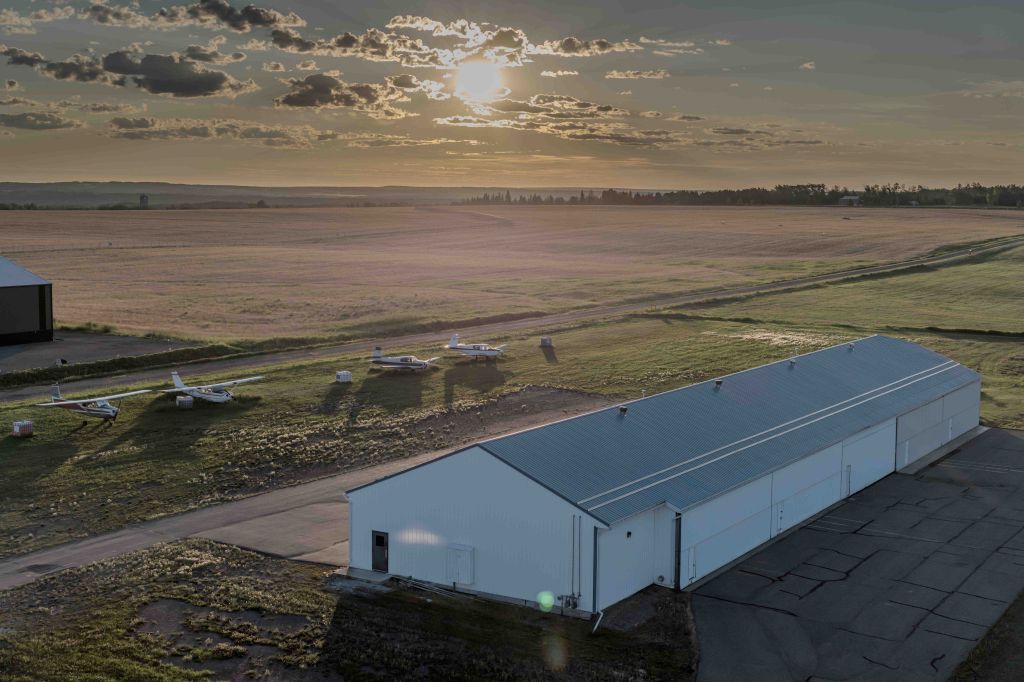
- We also created a silent hero video for the banner above the fold, along with original photography now featured by The Vantage Group.
- The finished website gives YXJ a stronger digital presence built to grow with the airport’s communication needs over time.
The Trailhead
North Peace Regional Airport is an important gateway to the Peace Region. Its website needs to serve a wide mix of people, from travellers checking flight details to businesses, partners, and community members looking for reliable information.
The old site was no longer keeping up. It was dated, difficult to update, and held back by outdated proprietary plugins. On top of that, the airport needed a site that could do more than post basic information. It had to support both public-facing communication and broader corporate communication as the airport continued to grow.
That gave the project a clear purpose from the start. This was not just about refreshing the design. It was about building a website that could support the airport now and keep serving it well into the future.
What the Client Needed
North Peace Regional Airport needed a website that was easier to manage, easier to navigate, and more capable of handling the real demands placed on an airport website.
That included clear communication for travellers, reliable flight information, stronger accessibility, and a more professional public presence. It also meant creating a platform that could support the airport’s broader communication needs with the community, business partners, and stakeholders.
Just as important, the airport needed a solution that would not become a problem a year later. The site had to be built with room to grow. That meant stable development, flexible content, and tools the communications team could actually work with over time.
A key requirement was restoring and improving flight information. The previous system had broken down because of outdated plugins, so the airport needed a dependable way to display arrivals and departures clearly on the new site.
In the end, the need was bigger than a website facelift. The airport needed a stronger digital foundation.
The Plan We Mapped Out
Good airport web design starts with structure, not decoration. Because of that, we took a steady, collaborative approach and worked closely with the communications team over the course of eight months.
We began by clarifying the role the new site needed to play. It had to serve travellers quickly, support public trust, and give the airport a more capable tool for ongoing communication.
From there, we mapped the site structure and content strategy. We expanded and reorganized the website so the information would be easier to find, easier to understand, and easier to maintain.
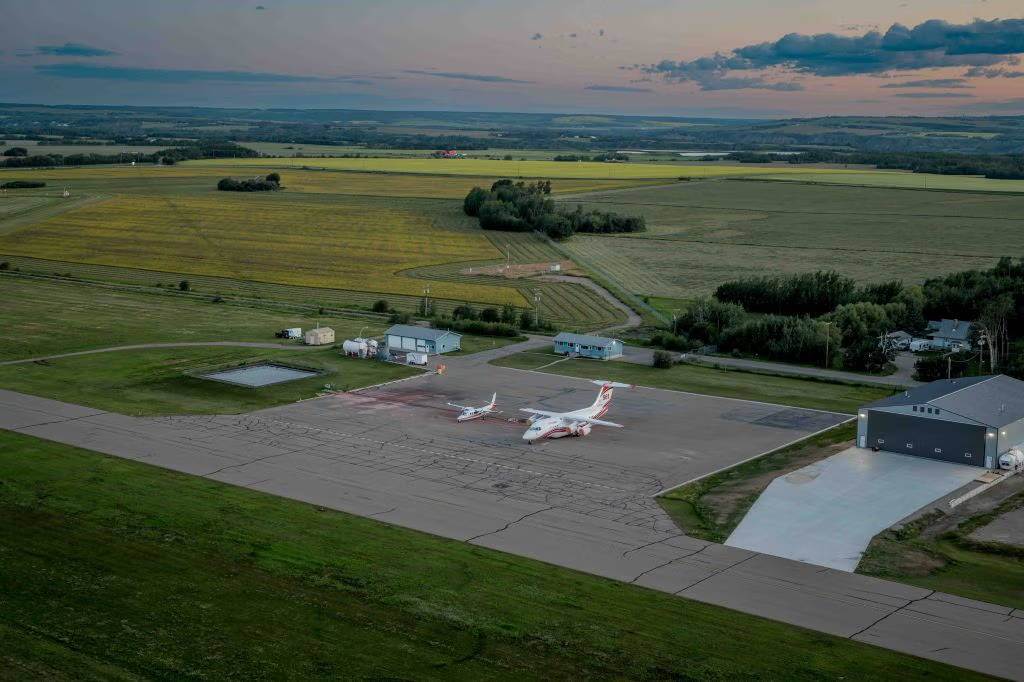
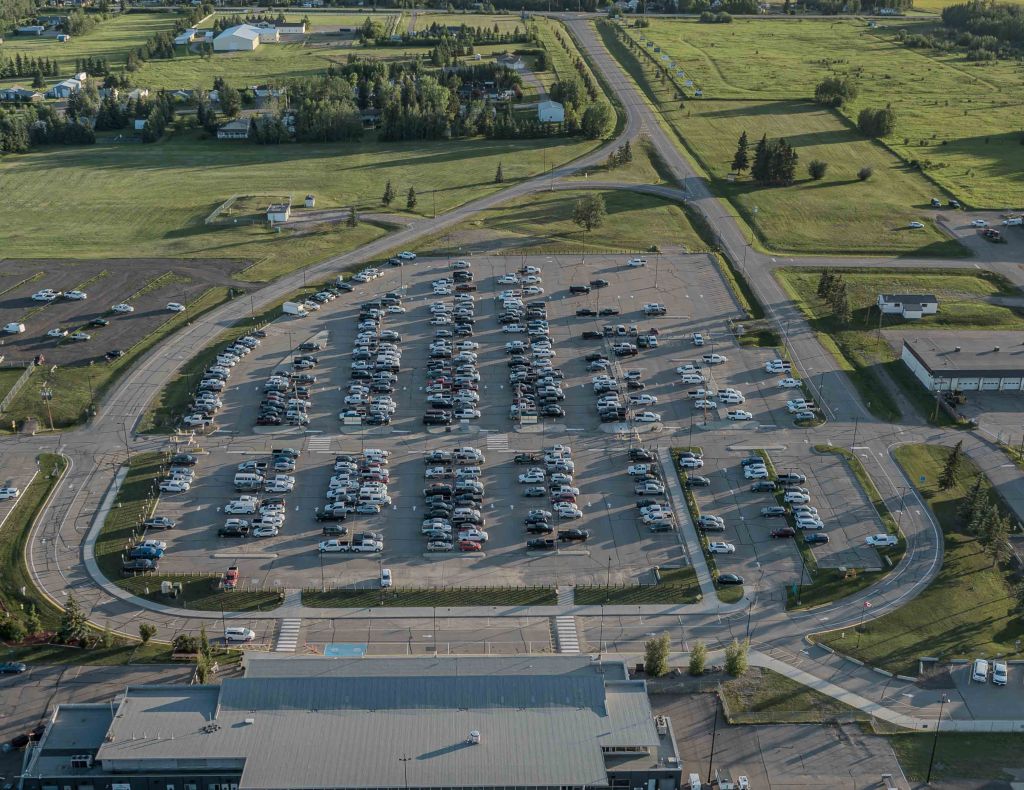
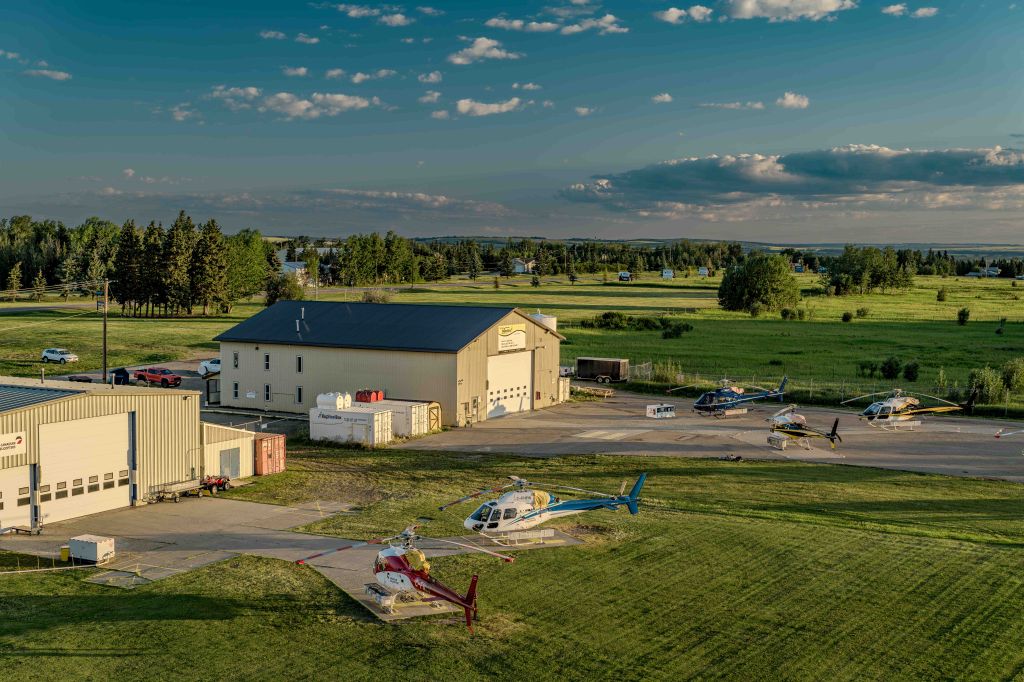
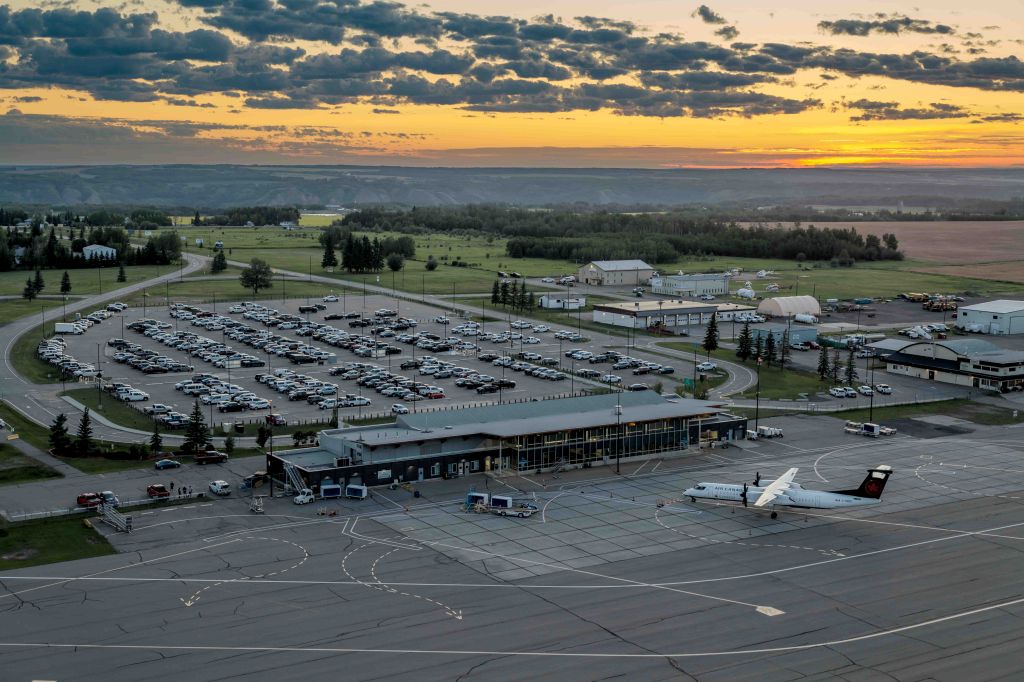
At the same time, we planned the visual direction. The airport needed original media that felt local, current, and grounded in the real experience of the place. That led to on-site photography and video production, including a silent hero video designed to sit above the fold and create a strong first impression right away.
On the development side, we rebuilt the site with custom functionality for Flight Information Display Systems. Instead of relying on broken or outdated tools, we created a stronger custom solution for displaying real-time flight data in a clear and useful way.
Throughout the project, we also worked through accessibility, content improvements, and long-term usability so the finished site would not just launch well, but continue serving the airport as its needs evolve.
What We Delivered
The final site was built as a complete digital rebuild, not a surface-level refresh.
At the centre of the project was a fully redesigned and redeveloped airport website built to support both community and corporate communication. The new site gives North Peace Regional Airport a stronger, more professional presence while making important information easier to access.
One of the most important features was custom Flight Information Display Systems integration. We developed custom plugin functionality and code to display real-time arrivals and departures in a way that was more stable, flexible, and better suited to the airport’s needs. That feature was essential because live flight information is not just useful on an airport website. It is one of the main reasons people visit in the first place.
We also created a silent hero video for the banner above the fold. That gave the site a stronger first impression without adding noise or clutter to the user experience.
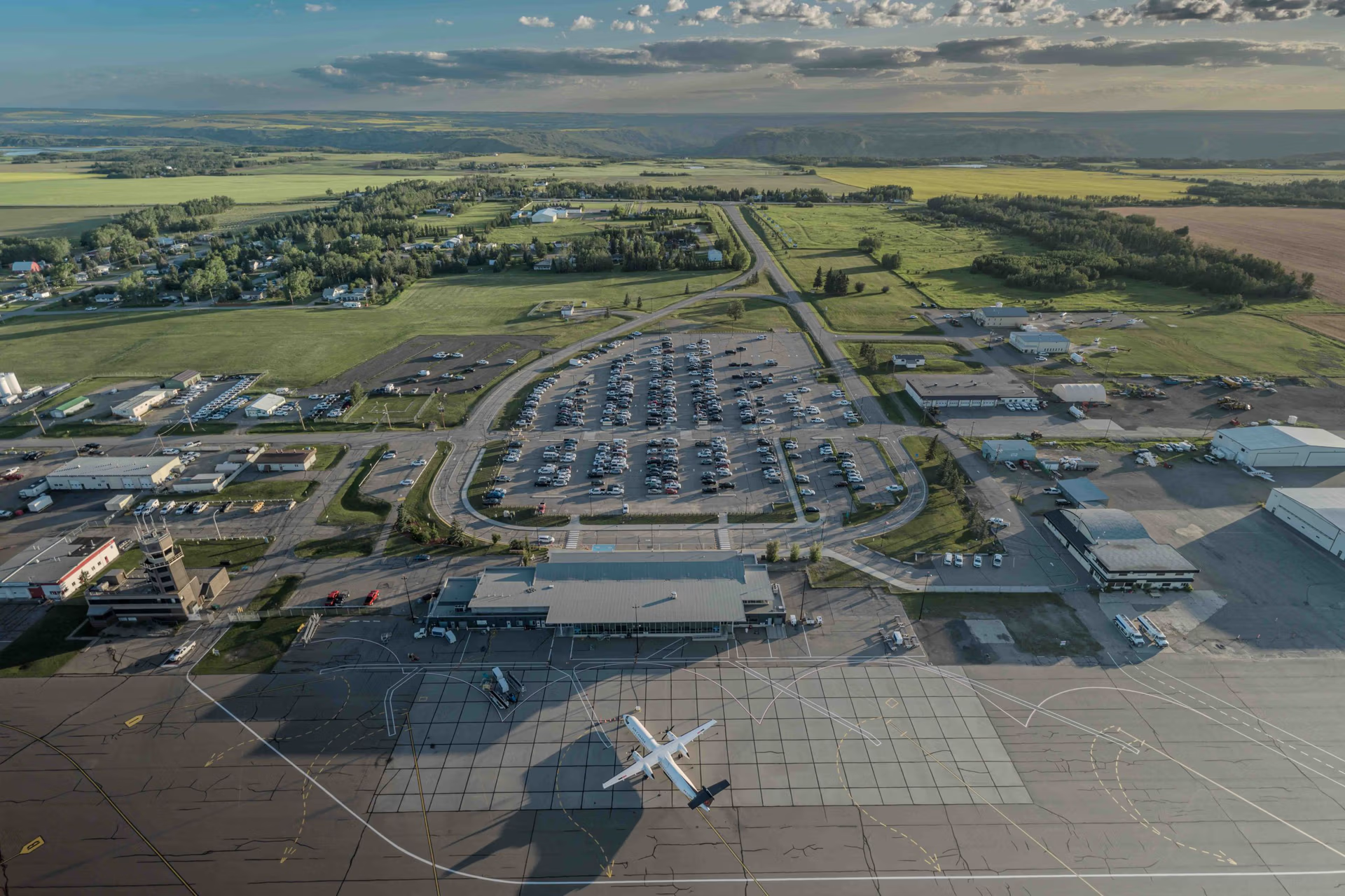
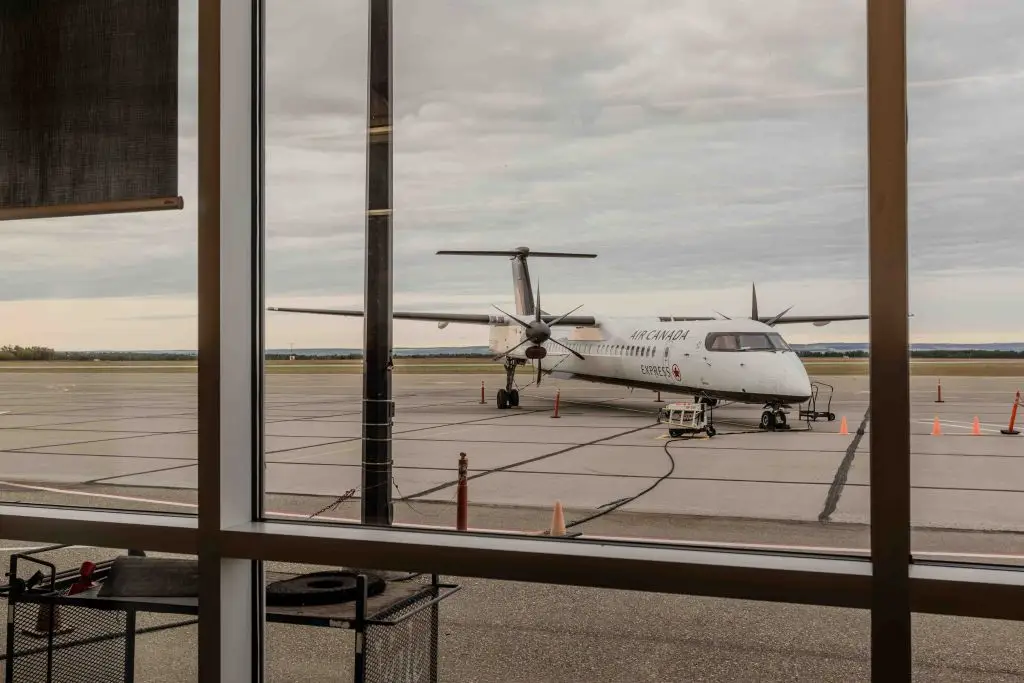
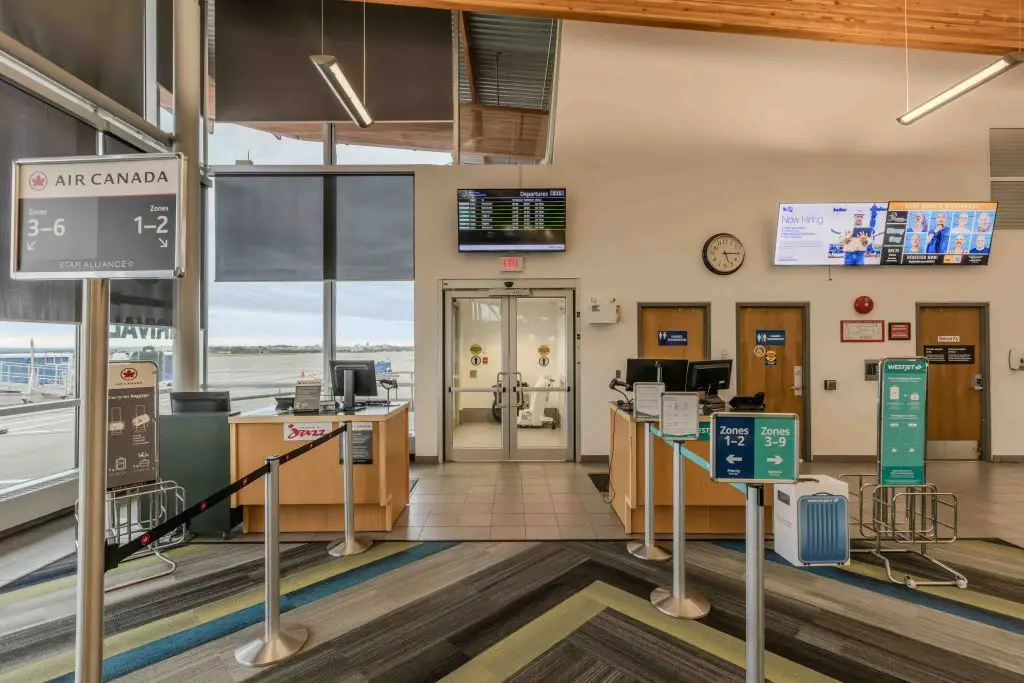
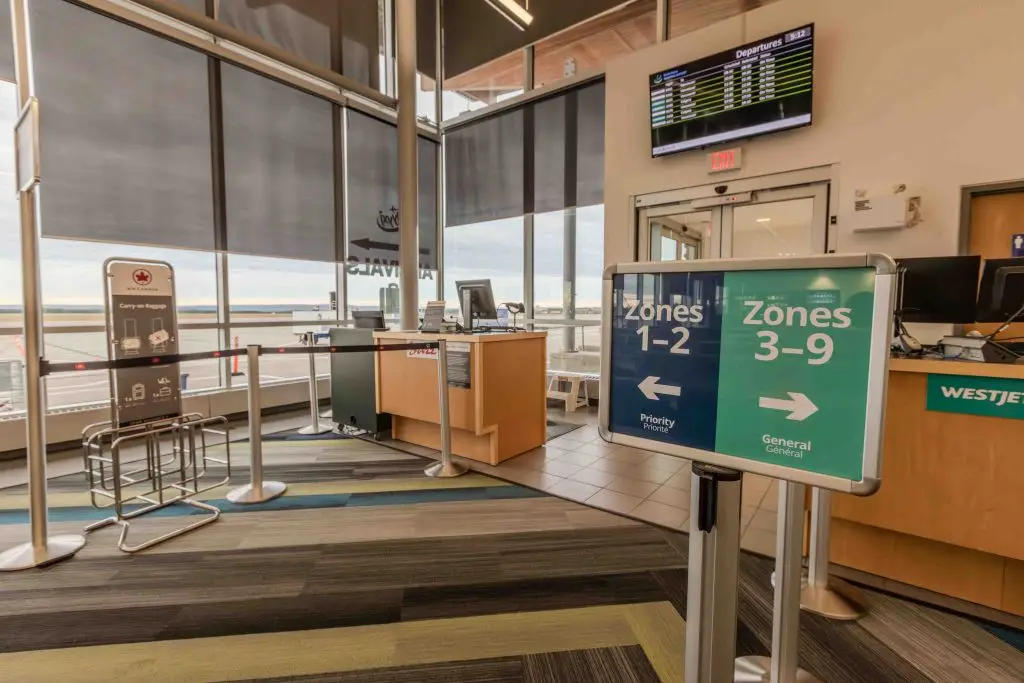
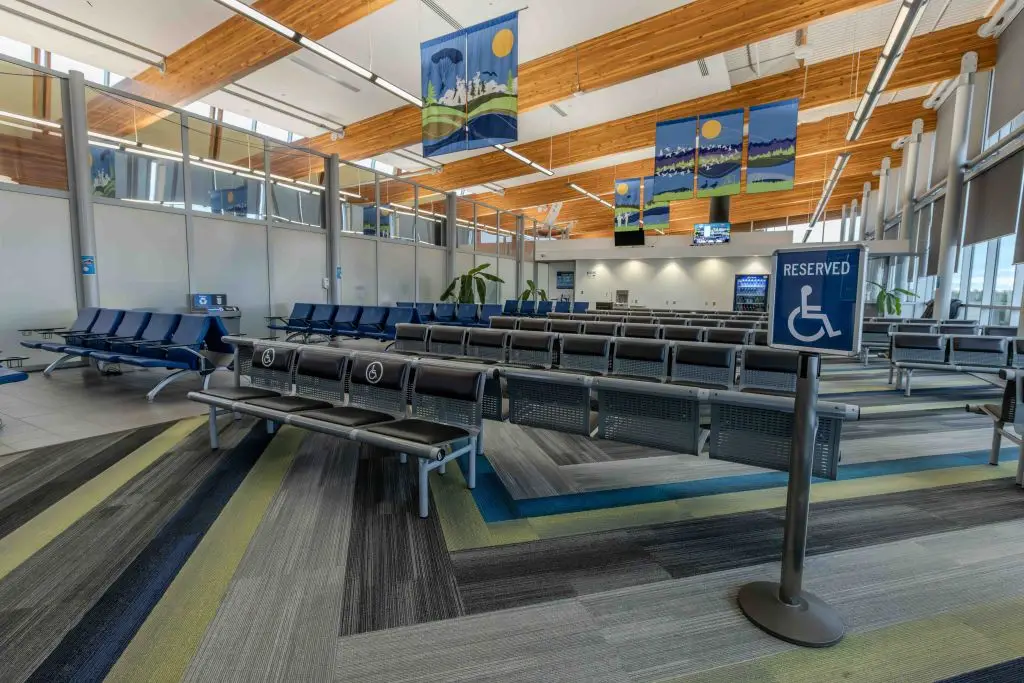
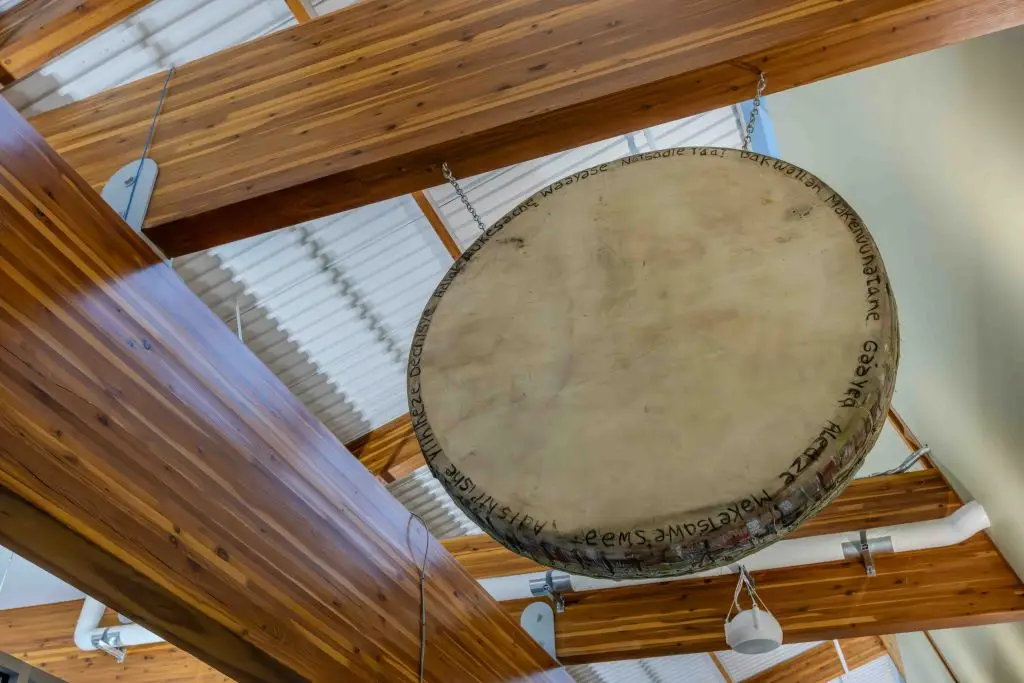
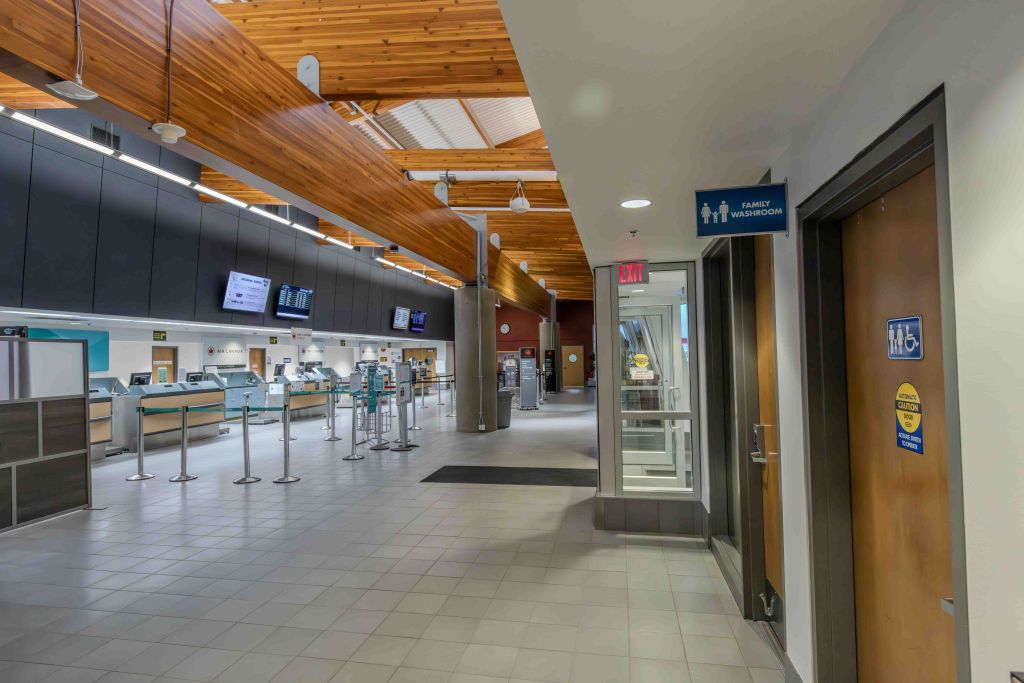
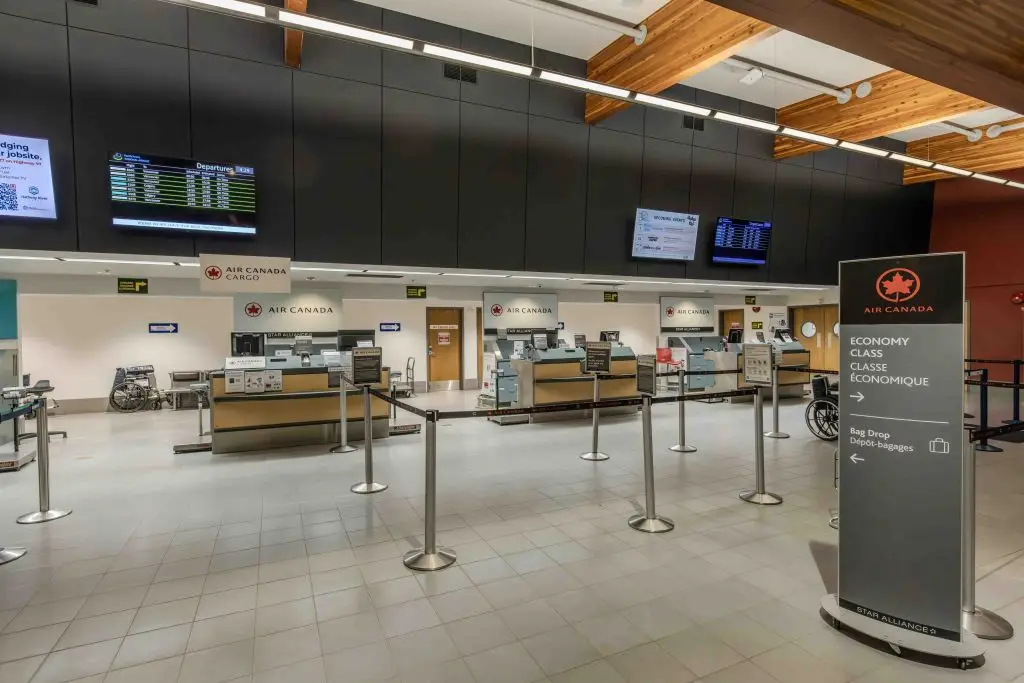
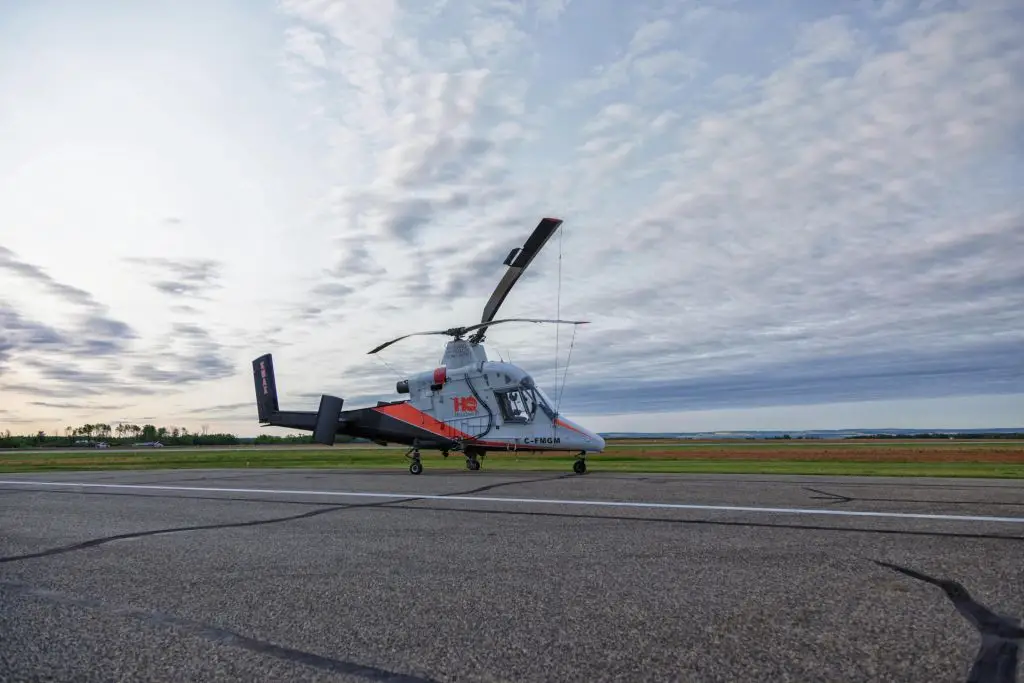
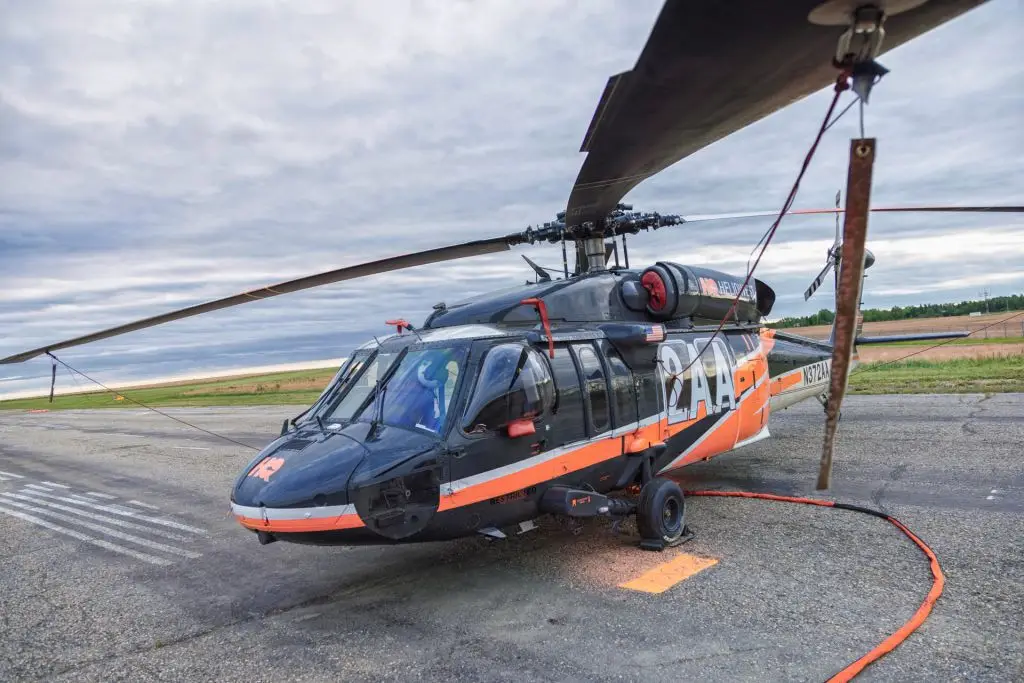
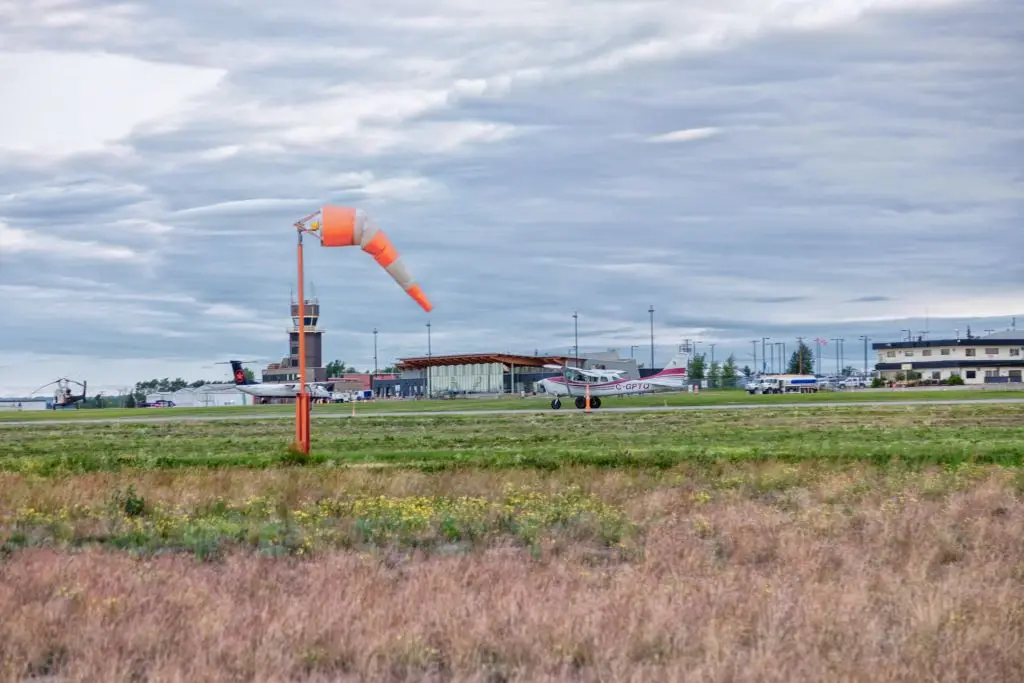
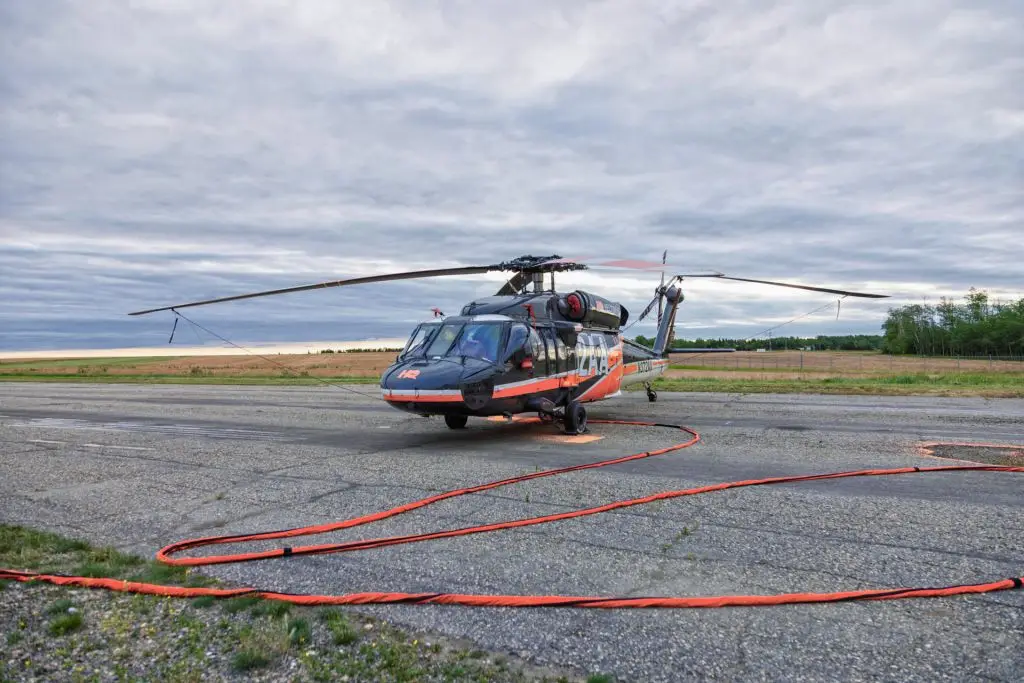
To support the airport’s story visually, we captured original on-site photography and videography. That media helped ground the website in the actual place and community it serves. It also carried value beyond the website itself, with our photography later being featured by The Vantage Group in its North Peace Regional Airport location profile.
The project also included content restructuring, copy refinement, mobile-friendly design, and accessibility support so the finished site would be easier to use across audiences and devices.
Taken together, these deliverables gave YXJ a website that feels more useful, more current, and more ready for what comes next.
How We Built the Site
Airport websites ask a lot from one platform. They need to move quickly, stay clear, and serve people who often arrive with different needs and very little patience.
That shaped how we approached this build.
We focused first on clarity. Navigation had to feel simple. Flight information had to be easy to find. Content had to support both quick visitor needs and broader communication goals without feeling crowded.
From there, we built the visual layer around the actual airport experience. Instead of leaning on generic stock imagery, we created original photo and video assets that gave the site a stronger sense of place. The silent hero video helped set the tone right away, while the photography added trust and local credibility throughout the site.
On the technical side, custom FIDS functionality played a major role. Airport users expect real-time information, and that expectation is not optional. We built a custom-coded solution that gave the airport a better way to manage and display live flight information, helping reduce friction for travellers and support the airport’s day-to-day communication needs.
Throughout the project, we stayed closely aligned with the communications team. That mattered because the best website builds are not created in isolation. They are shaped through steady collaboration, practical feedback, and a shared understanding of what the site needs to do once it is live.
The Results
What is clear is that North Peace Regional Airport now has a much stronger digital tool than it had before.
The new website gives travellers easier access to real-time flight information, gives the communications team a stronger platform to work from, and gives the airport a more polished public presence overall.
The custom FIDS solution solved a real operational and communication problem by replacing broken plugin-based functionality with a more dependable system for displaying arrivals and departures.
The new site also supports the airport’s broader growth. Rather than being built only for current needs, it was shaped to grow alongside the airport as community expectations, corporate communication needs, and digital demands continue to evolve.
There is also quality proof in the visual work. Our original photography did not just strengthen the site itself. It was also featured by The Vantage Group, which reinforces the strength and usefulness of the media created during the project.
In practical terms, that is what changed. The airport now has a clearer, more capable, and more future-ready website.
Why Airport Web Design Matters
Airport web design comes with a different kind of responsibility.
People visit airport websites when they need answers quickly. They may be checking a departure time, looking for directions, confirming details for a pickup, or trying to understand what services are available. Others may be looking at the airport from a business, tourism, or regional development perspective.
That means the website has to do more than look good. It needs to communicate clearly, support real-time information, work well on mobile devices, and reflect the credibility of the airport itself.
For North Peace Regional Airport, that meant building a site that could serve many audiences at once without losing clarity. It also meant treating flight information, accessibility, visual trust, and long-term flexibility as essential parts of the project, not optional extras.
That is what strong airport web design does. It reduces friction, strengthens trust, and makes the airport easier to understand for the people who rely on it.
A Few Lessons From This Project
This project reinforced a few things that matter in airport web design.
First, live information needs to be dependable. If flight data is hard to access or unreliable, the site stops doing one of its most important jobs.
Second, collaboration matters. Working closely with the communications team over eight months helped the site become more useful because the people closest to the airport’s day-to-day communication needs helped shape it.
Third, original media creates stronger trust. Real photography and video do more than improve appearance. They help people feel that the website reflects a real place with a real role in the region.
Fourth, airport websites need room to grow. A build like this has to support current demands while staying flexible enough for future communication, operations, and expansion.
And finally, a strong airport website serves more than one audience at once. It has to work for travellers, community members, partners, and stakeholders without becoming cluttered or confusing.
Ready to Build Something Like This?
If your airport or transportation hub needs a stronger digital presence, the answer is not just a better-looking website. It is a clearer, more capable one.
Eagle Vision Agency builds airport websites that combine strategy, custom functionality, original media, and long-term usability. Whether you need better real-time communication, stronger public trust, or a website built to grow with your organisation, we can help shape the path forward.
Reach out to book a call, request a quote, or start the conversation.